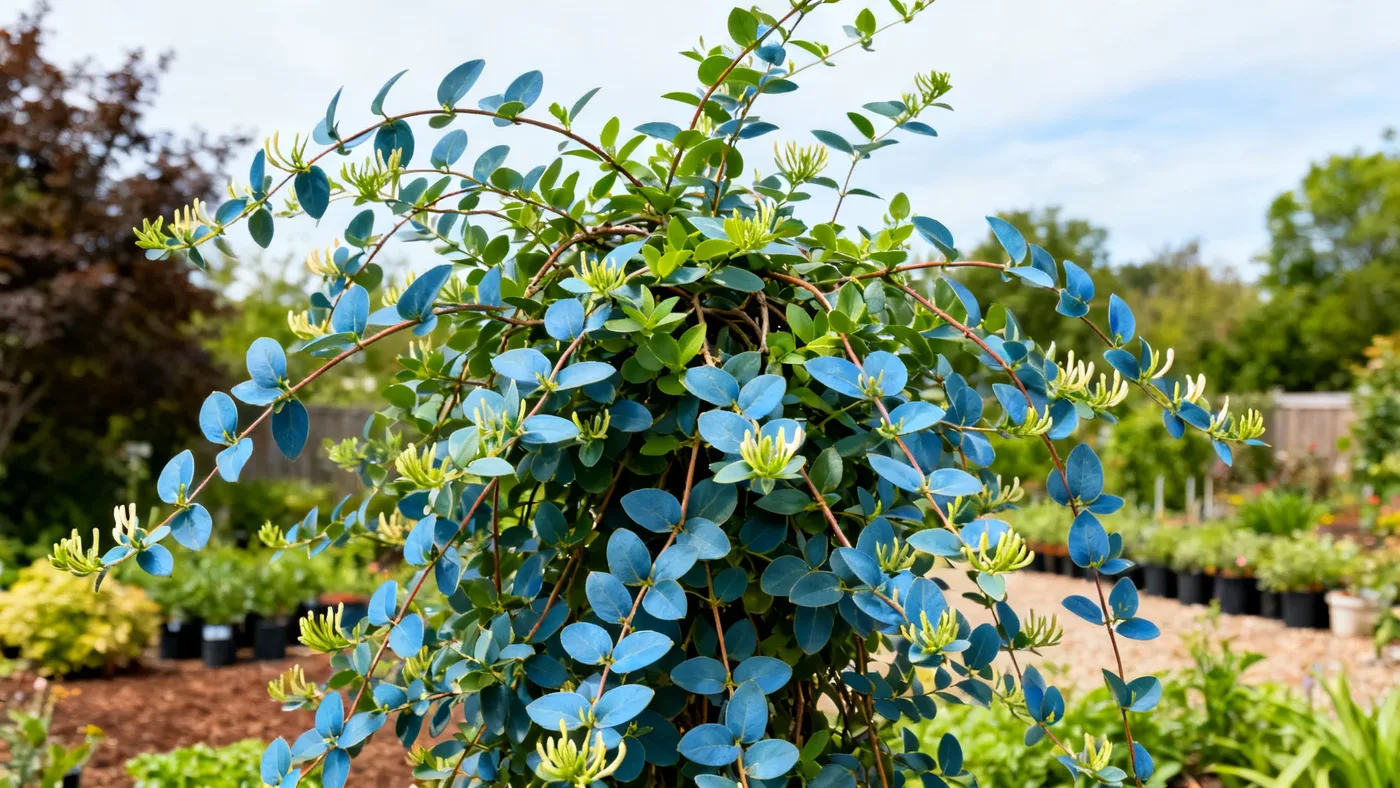
Scentsation Honeysuckle Care Guide: Everything You Need to Know
Scentsation Honeysuckle is a vigorous, fragrant vine that rewards thoughtful gardening with abundant creamy-yellow blooms from late spring through fall. Whether you're training it on a trellis, draping it over a fence, or planting it in a container, this cultivated selection of Lonicera periclymenum grows reliably in zones 5-9 and attracts hummingbirds, bees, and butterflies. This guide covers every aspect of scentsation honeysuckle care, from initial planting through mature maintenance, so you can grow this vine to its full fragrant potential.
Key Takeaways
- Plant scentsation honeysuckle in spring or fall in well-drained soil and full sun for best blooming and fragrance
- Space vines 3-6 feet apart and provide a sturdy trellis, arbor, or fence for climbing support
- Water regularly during establishment, then maintain consistent moisture; drought-tolerant once mature
- Prune lightly after the first bloom flush to tidy growth and encourage fall reblooming
- This non-invasive vine matures to 6-10 feet tall and blooms for 15-20+ years with basic maintenance
Table of Contents
- Planting Scentsation Honeysuckle
- Sunlight and Location Requirements
- Watering and Soil Care
- Feeding and Fertilizing
- Pruning and Maintenance
- Managing Pests and Diseases
- Propagation and Multiplication
Planting Scentsation Honeysuckle
The foundation of healthy, long-lived honeysuckle care starts with proper planting. Container-grown plants are widely available in quart, #1, or #3 containers. Plant scentsation honeysuckle in spring or fall when soil moisture is naturally consistent and temperatures are mild. Avoid summer planting in hot climates, which stresses young vines.
Choose a planting location where your vine has room to climb. Space multiple vines 3-6 feet apart if creating a screen or hedge. Before digging, install your support structure: a sturdy trellis, arbor, fence, or pergola. The vine grows as a twining climber roughly 1-2 feet of new growth per year once established, reaching a mature height of 6-10 feet when trained vertically. Without support, it sprawls and becomes a tangled mass, so securing the framework first prevents root damage later.
Dig a planting hole no deeper than the root ball and two to three times as wide. Loosen the surrounding soil to let roots penetrate easily. Backfill with native garden soil mixed with compost, working out air pockets. Water thoroughly after planting and keep the soil consistently moist for the first growing season as the vine establishes its root system. Mulch around the base with 2-3 inches of compost or wood chips, staying a few inches back from the stem.
Container Growing: Scentsation honeysuckle thrives in large containers on a patio or balcony when you provide a trellis or wall for climbing support. Use a pot at least 18 inches deep with drainage holes, filled with quality potting soil. Container vines need more frequent watering than ground-planted specimens, especially during bloom season.
Sunlight and Location Requirements
Scentsation honeysuckle performs best in full sun, which maximizes flowering and intensifies fragrance. The vine will tolerate part shade, particularly afternoon shade in hot climates, but flowering and scent production decline in shadier conditions. If you live in a region with intense afternoon heat, afternoon shade is beneficial, but ensure the vine receives at least 6 hours of direct sun daily.
The vine's fragrance is a defining characteristic, most noticeable in the evening when temperatures cool. Site your honeysuckle where you can enjoy this evening scent from a patio, deck, or seating area. A trellis near an entryway, fence line, or mailbox post makes scentsation honeysuckle an inviting landscape choice that also attracts pollinators close to your home.
Avoid positioning the vine against a hot south-facing wall in zone 5-6, where reflected heat can damage new foliage in spring. Similarly, in zone 9, afternoon shade prevents sunscald on tender leaves during peak heat.
Watering and Soil Care
How to grow scentsation honeysuckle successfully hinges on balancing moisture and drainage. The vine needs average, consistent moisture, especially while establishing roots during its first growing season. Water deeply and regularly during the first year, aiming for soil that feels moist but not waterlogged. Once the vine is established (usually by the second growing season), it has moderate drought tolerance and can survive on natural rainfall in most regions.
Soil preparation matters more than soil type. Scentsation honeysuckle adapts to a wide range of soils, from clay to sandy loam, as long as drainage is good. Waterlogged or compacted soil promotes root rot and invites fungal disease. If your garden has heavy clay, amend the planting hole with compost or aged bark to improve drainage. Aim for a soil pH between 6.0 and 7.0 (slightly acidic to neutral), though the vine tolerates pH outside this range.
In containers, use a quality potting mix formulated for perennials or shrubs, not garden soil. Container plants dry out faster than ground-planted vines, so check soil moisture every 2-3 days during the growing season and water when the top inch feels dry. Reduce watering in winter when the vine is dormant or semi-evergreen in mild climates.
Mulching conserves soil moisture and moderates temperature. Apply 2-3 inches of organic mulch (shredded bark, aged compost, or wood chips) around the base each spring, refreshing it annually. Keep mulch a few inches away from the vine's stem to prevent rot.
Feeding and Fertilizing
Scentsation honeysuckle is a light feeder and does not require heavy fertilizing. Over-feeding promotes leafy growth at the expense of flowers. Apply a balanced, slow-release fertilizer (such as 10-10-10) once in early spring as new growth begins. This single application usually provides enough nutrients to sustain the vine through the growing season.
If growth appears slow or foliage yellows despite adequate watering, perform a soil test through your local extension service. Yellowing may indicate nitrogen deficiency, particularly in sandy soils or containers where nutrients leach away. In that case, a dilute liquid fertilizer applied monthly during the growing season helps, but reserve heavy feeding for documented deficiencies.
Container-grown vines benefit from a light application of balanced fertilizer every 4-6 weeks during the growing season, since container soil does not retain nutrients as long as garden soil. Stop fertilizing by late summer to harden off new growth before winter.
Pruning and Maintenance
Pruning keeps your honeysuckle tidy, encourages reblooming, and prevents the vine from becoming a tangled mass. Scentsation honeysuckle blooms over an extended season from late spring through fall, with the heaviest flower show in early summer. After the first flush of blooms (typically midsummer), prune lightly to remove spent flowers, crossing stems, and any damaged growth. This light pruning signals the plant to put energy into new flowers rather than developing seeds, extending the bloom season into fall.
In late winter or very early spring before new growth emerges, you can shape the vine or thin out old wood. Avoid hard, heavy pruning, which removes older, woody stems that flower best. Instead, cut out weak, diseased, or crossing growth and shorten any stems that are outgrowing their support. The goal is to maintain a framework of healthy wood and guide the vine along its trellis rather than to drastically rejuvenate it.
Tie in new growth gently to the support as the vine grows, especially in the first season. Twining stems eventually wrap around the framework on their own, but guiding them prevents them from wrapping around each other and creating tangles.
Managing Pests and Diseases
Scentsation honeysuckle is generally hardy, but a few pests and diseases warrant attention in certain conditions.
Aphids: The honeysuckle witches'-broom aphid can infest new growth, causing distorted, clustered leaves that resemble a bird's nest. Spray infested stems with a strong jet of water to dislodge aphids, or use insecticidal soap if infestations are heavy. Avoid neem oil during bloom time to protect visiting bees.
Scale Insects and Spider Mites: These pests are less common but may appear in very hot, dry conditions. Horticultural oil applied in early spring (before buds break) or in late fall suppresses dormant scale. Spider mites favor dusty, drought-stressed vines, so maintaining consistent moisture and misting foliage during hot spells reduces problems.
Powdery Mildew: Fungal disease thrives in humid, poorly ventilated conditions. Ensure good air circulation around the vine by spacing it adequately and removing dense lower foliage if needed. Water at the soil level in the morning rather than overhead to keep leaves dry. In severe cases, sulfur dust or sulfur spray controls mildew, though sulfur can burn foliage in temperatures above 85°F, so apply it in early morning or evening.
Leaf Spot: Fungal leaf spots are cosmetic and rarely serious. Remove affected leaves and improve air circulation. Avoid overhead watering, which spreads spores. Most leaf spot problems clear up as plants harden off in fall.
Deer Resistance: Scentsation honeysuckle is generally resistant to deer browsing, though no plant is deer-proof in high-pressure areas. In regions with heavy deer populations, fence the supporting structure or pair the vine with other deer-resistant plants for layered protection.
Propagation and Multiplication
If you want to expand your honeysuckle planting or share cuttings with gardening friends, scentsation honeysuckle propagates readily from softwood or semi-hardwood cuttings. Take cuttings in early summer from vigorous new growth, selecting 4-6 inch stems with several leaf nodes. Strip the lower leaves and dip the cut end in rooting hormone powder. Stick the cutting in moist, well-draining potting mix (perlite and peat moss work well) and keep it in a warm, humid spot out of direct sun. Roots typically form in 4-6 weeks. Once rooted, transplant cuttings into individual pots and grow them for a full season before planting in the garden.
Layering is another reliable method. In spring, bend a low, flexible stem to the ground, wound the underside slightly where it touches soil, and pin it down with a U-shaped wire or rock. Bury that section under 1-2 inches of soil and keep it moist. By fall, roots will have formed, and you can sever the rooted section from the parent plant and transplant it.
Container-grown plants often bloom the first season after purchase, reaching fuller maturity in 2-3 years as the root system expands and the vine fills its support structure. With consistent care, a well-sited scentsation honeysuckle vine lives 15-20 years or longer, rewarding you with reliable fragrance and pollinator activity season after season.
Quick Reference Checklist
| Task | Timing | Key Notes |
|---|---|---|
| Planting | Spring or fall | Space 3-6 ft apart; install support structure first |
| Watering | Regular first year, then as needed | Consistent moisture; moderate drought tolerance once established |
| Fertilizing | Early spring | Light feeder; one balanced slow-release application sufficient |
| Pruning (light) | After first bloom flush (midsummer) | Remove spent flowers; encourage fall reblooming |
| Pruning (shaping) | Late winter to early spring | Thin old wood; avoid hard cutting; guide growth to support |
| Pest/disease monitoring | Throughout growing season | Watch for aphids, scale, powdery mildew; ensure air circulation |
| Mulching | Spring, refresh annually | 2-3 inches; keep away from stem to prevent rot |
| Blooming | Late spring through fall | Creamy yellow flowers; strongest in full sun; fragrant in evening |