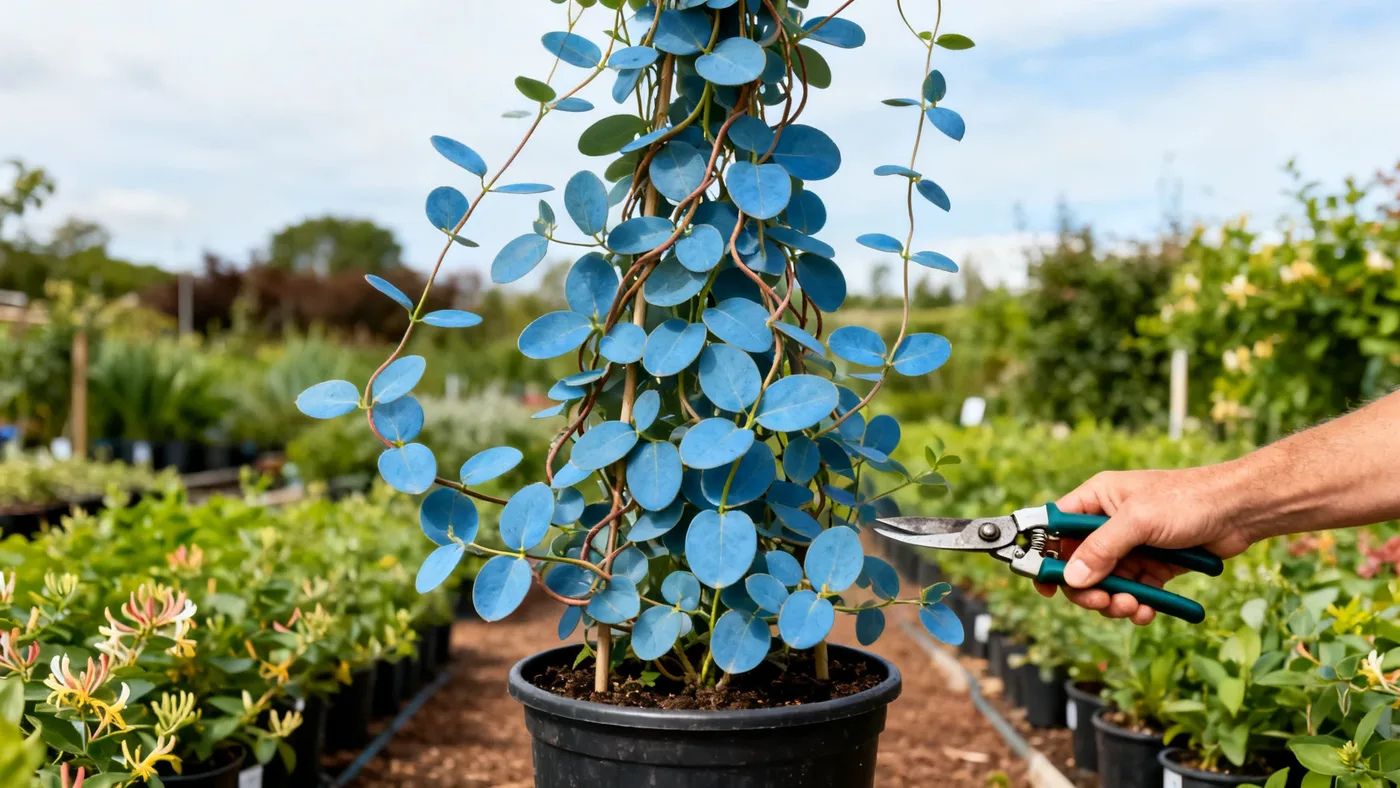
When and How to Prune Scentsation Honeysuckle Vines
Scentsation Honeysuckle is a vigorous twining vine that rewards regular pruning with tidier growth, stronger blooms, and years of reliable performance. The key to successful pruning is knowing when to cut, how much to remove, and which stems to leave alone. This guide walks you through the process so your vine stays healthy and fragrant.
Why Prune Scentsation Honeysuckle
Scentsation Honeysuckle grows quickly, roughly 1 to 2 feet of new growth per year once established. Without pruning, the vine becomes a tangled sprawling mass on its support. Regular pruning serves three purposes: it keeps the vine neat and manageable on its trellis or arbor, it encourages reblooming throughout the season, and it maintains the plant's overall vigor.
Older wood on honeysuckle contributes significantly to flowering, so avoid heavy hard-pruning that removes most of the woody structure. Light pruning is the strategy that works best. You are shaping and tidying the vine, not cutting it down to a stub.
When to Prune Scentsation Honeysuckle
Timing matters because Scentsation Honeysuckle blooms in two main windows. It flowers in late spring through summer, then often reblooms into fall in many climates. The best times to prune are:
After the First Bloom (Early Summer Pruning)
As soon as the first heavy flush of flowers fades, typically mid to late June depending on your zone, prune lightly. This is the single most important pruning window. Cutting back spent flowers and tidying the vine at this stage encourages the plant to push out new growth and rebloom. This is the time to remove crossing stems, thin out crowded sections, and shape the vine to fit its support.
Late Winter to Early Spring (Shape and Maintenance Pruning)
Between late February and early April, before new growth emerges, you can prune to reshape the vine or remove any damage from winter weather. Zones 5 and 6 should prune closer to April, while zones 7 to 9 can prune as early as late February. This pruning is optional if the vine is already well-shaped, but it is a good time to correct problem growth or reduce overall size if needed.
When Not to Prune
Avoid heavy pruning in mid-to-late fall or winter. The vine will set flower buds on old wood, and cutting away too much woody growth in fall removes next season's blooms. A light tidy-up in late summer is fine, but save major pruning for the post-bloom window in early summer or the late-winter window before spring growth.
Tools and Materials You'll Need
- Bypass pruning shears (hand pruners) for stems up to 1/2 inch thick
- Loppers for stems 1/2 inch to 1 inch in diameter
- A pruning saw for any woody stems thicker than 1 inch
- A sturdy step ladder or ladder tall enough to reach upper portions of the vine safely
- Work gloves to protect your hands from thorns and rough bark
- Rubbing alcohol or a disinfectant wipe to clean tool blades before and between cuts
- A bucket or tarp to catch clippings
Clean your tools before pruning. Dip the blades in rubbing alcohol or wipe them with a disinfectant to reduce disease transmission between cuts, especially if you are pruning other plants on the same day.
Step-by-Step Pruning Instructions
Step 1: Assess the Vine
Before making a single cut, stand back and look at the whole vine. Identify where new growth is emerging, which stems are crossing or tangled, and which branches are growing away from the support. Mark or mentally note any dead wood (stems that are gray, brittle, or have no green underneath the bark). This assessment takes only a minute and prevents you from making cuts you will regret.
Step 2: Remove Dead, Diseased, or Damaged Wood
Start by cutting out any wood that is clearly dead, diseased, or broken. Use your pruning shears or saw depending on the stem thickness. Cut dead stems all the way back to a healthy branch or to the base of the vine. Remove any stems with signs of powdery mildew or other disease damage. These cuts improve the plant's appearance and air circulation.
Step 3: Thin Out Crowded Growth
Honeysuckle vines often develop very dense, tangled stems in the interior of the plant. These interior stems receive little light and often produce fewer flowers. Selectively remove every third or fourth stem in crowded sections, cutting the entire stem back to where it branches or to the support structure. This opens up the vine and allows light to reach new growth lower down.
Focus on removing the thinnest, weakest-looking stems first. These are usually the least productive anyway. Leave the thicker, more vigorous stems, as these will flower more reliably.
Step 4: Remove Crossing or Wayward Stems
Look for stems that are growing across other stems or away from the support entirely. These are tangled or unruly. Cut them back to the nearest outward-facing bud or branch junction. A bud or branch that faces away from the center of the vine will encourage new growth to fill in the support frame rather than crisscross through it.
Step 5: Shape the Vine to Its Support
If your Scentsation Honeysuckle is growing on a trellis, arbor, or fence, gently weave remaining stems across the support structure. Tie or tuck new growth into place if needed. The mature vine can reach 6 to 10 feet tall and spread 3 to 6 feet wide, so prune to fit your specific support size. For a smaller trellis, remove any stems that extend beyond the frame. For a large arbor, you can leave more stems to create a fuller canopy.
Step 6: Cut Back Spent Flower Stems (Summer Pruning)
During early-summer pruning, right after the first bloom ends, cut back the stems that just flowered by 4 to 8 inches. Make your cuts just above a leaf node (the bumpy spot where leaves emerge). This encourages branching and new flower bud formation. Do not remove all the green leaves; keep the foliage intact to support the plant's energy.
Step 7: Step Back and Inspect
Once you finish the cuts, step back and look at the vine from a distance. The pruned vine should look balanced, with no major gaps or bare sections. If you have removed too much from one side, you can make a few more light cuts on the opposite side to even it out. This vine recovers quickly, so minor adjustments are easy to make.
Tips and Common Mistakes to Avoid
Mistake: Cutting Back Too Hard
The most common pruning error is removing too much wood in a single season. Heavy pruning stresses the vine and can reduce flowering in the next season because much of the blooming wood has been removed. Stick to light pruning (removing no more than one-third of the vine's total growth in a year) and spread major reshaping over multiple seasons if needed.
Mistake: Pruning at the Wrong Time
Pruning in mid-to-late fall or hard pruning in winter removes flower buds and reduces next year's display. Prune heavily only after the first bloom in early summer or in late winter before new growth appears. Light tidying outside these windows is acceptable, but save the major work for the right season.
Tip: Make Angled Cuts
When you cut a stem, make a 45-degree angled cut just above a leaf node. This angle helps water shed off the cut surface and reduces disease risk. Avoid leaving a long stub above the nearest bud; a stub dies back and can harbor disease.
Tip: Prune During Dry Weather
Pruning on a dry day reduces disease pressure. Wet pruning tools and wet leaves create conditions that favor fungal diseases. Do your pruning in the morning after dew has dried or on a calm, dry afternoon.
Tip: Thin Strategically, Do Not Shear
Avoid using hedge shears to shape the vine. Shearing leaves many cut stems with no buds, and the vine develops a dense, formal appearance that looks unnatural. Instead, use hand pruners to selectively thin and cut to buds. This approach looks neater and encourages better branching and flowering.
Expected Results After Pruning
A well-pruned Scentsation Honeysuckle should show improved flowering within 3 to 6 weeks of early-summer pruning. New stems will emerge from near the cut sites, and these new branches will flower. The vine will also look tidier and less tangled on its support. The fragrant blooms may be even more noticeable because the vine is not hidden under a mass of old, unproductive growth.
If you prune in late winter, new spring growth will be more vigorous and the vine will reach fuller size by midsummer. Blooming may start slightly later than if you had not pruned, but the long-term vigor and flower production usually improve. Your vine should continue to thrive for 15 to 20 years or more with routine pruning and support maintenance.
Pruning in Zones 5 to 9
Scentsation Honeysuckle grows in zones 5 through 9. In zones 5 and 6, the vine is deciduous and loses all its leaves by fall. You can prune dead branches in early spring once you can see which wood is alive. In zones 7 to 9, the vine may hold some foliage through winter and is more semi-evergreen. Pruning in late February or early March is still the best timing in these zones, as it is before the main spring growth flush.
If your zone experiences harsh late-spring freezes, wait until any frost danger has passed before making heavy pruning cuts in early spring. A late freeze can damage tender new growth that emerges after you prune.
For more detailed care information, see the complete Scentsation Honeysuckle care guide.
Quick Pruning Reference
| Timing | When | What to Do | Expected Outcome |
|---|---|---|---|
| Early Summer Pruning | Mid to late June (after first bloom ends) | Light prune. Remove crossing stems, thin crowded growth, cut spent flowers back 4-8 inches above leaf nodes. | Rebloom 3-6 weeks later. Tidier vine on support. |
| Late Winter to Early Spring | Late February to early April, before new growth emerges. (Zones 5-6 prune closer to April.) | Shape and maintenance pruning. Remove dead/damaged wood, reshape if needed. Optional if vine is already well-formed. | Vigorous spring growth. Improved flowering later that season. |
| Light Summer Tidying | Late July or August (optional) | Remove only wayward or damaged stems. Do not remove flower buds. | Fall rebloom may continue into September. |
| Fall and Winter | September through January | Do not prune heavily. Light removal of damaged stems only. | Preserve flower buds on old wood for next spring. |
Key Points to Remember
- Prune lightly and often. Remove no more than one-third of the vine's growth in a year.
- Always cut to a leaf node or branch junction at a 45-degree angle.
- The first flush bloom fades in mid to late June. Prune right after and expect rebloom in 3 to 6 weeks.
- Never hard-prune in fall or winter. You will remove next year's flower buds.
- Clean your tools with alcohol before and between cuts to reduce disease spread.
- Thin and select stems surgically rather than shearing the vine with hedge shears.
- Your vine can live 15 to 20 years or longer with routine pruning and support maintenance.