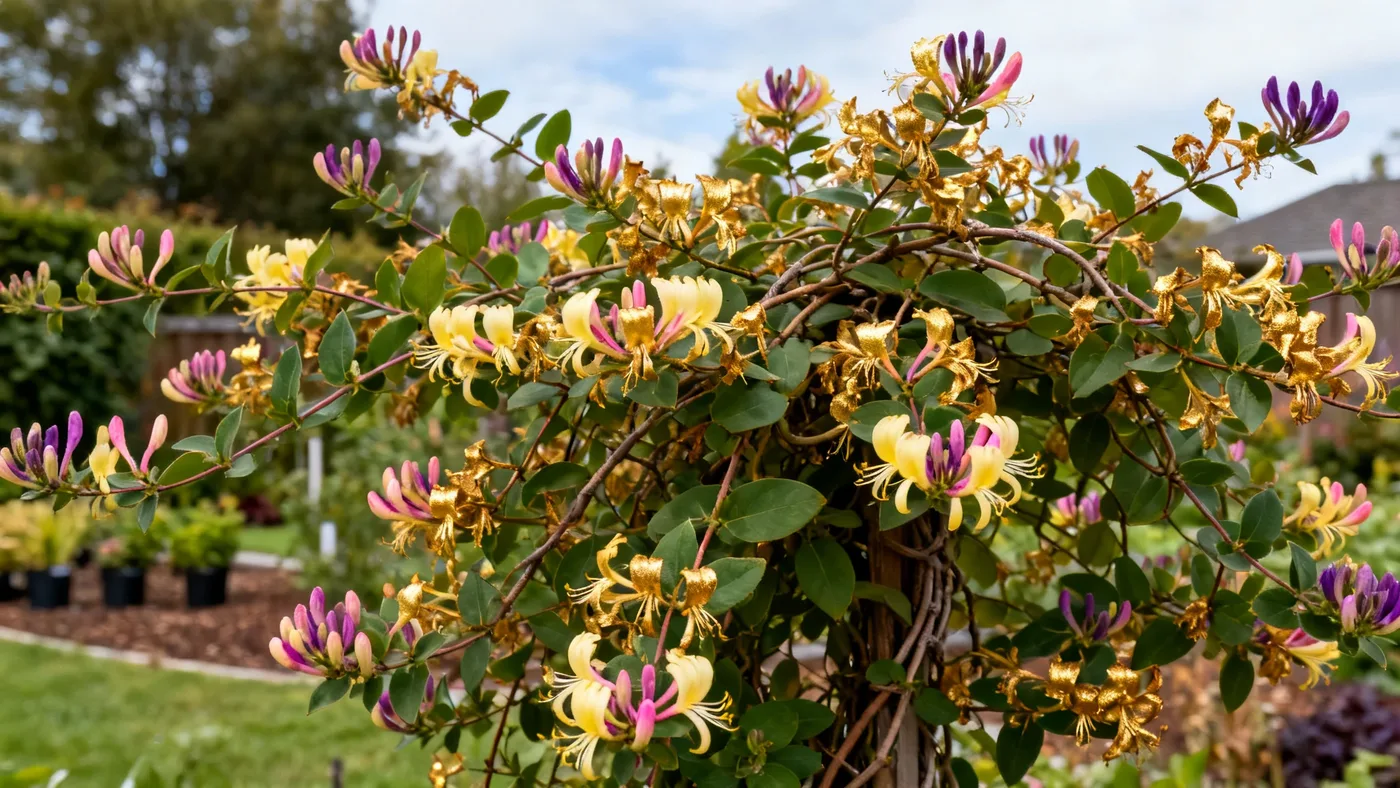
Scentsation Honeysuckle Bloom Time and Flower Color Guide
Scentsation Honeysuckle blooms from late spring straight through summer and often into fall, making it one of the longest-flowering vines you can plant. The real magic happens in how the flowers transform: they open as delicate pink and purple-flushed buds, then unfold into creamy yellow blooms that age to deeper gold. If you're looking to time your planting for peak fragrance or want to know how to coax continuous blooms across the season, this guide walks you through exactly what to expect and how to work with the plant's natural rhythm.
When Scentsation Honeysuckle Blooms
Scentsation Honeysuckle enters bloom in late spring and continues flowering through summer and into fall in most climates. The exact timing depends on your USDA zone (the plant thrives in zones 5 through 9) and your local spring warmth. In zone 5, you might see the first flowers open in mid to late May. Further south in zone 8 or 9, buds can break as early as late April. The longest continuous bloom window runs from June through August, which is when you'll get the heaviest flower production.
Reblooming is one of Scentsation's best traits. After the first flush of flowers fades, the vine naturally produces new flowering stems. With a light pruning or deadheading right after that first bloom peak, you can trigger a second wave of flowers in late summer and fall. This reblooming habit is what keeps many gardeners' vines flowering reliably from June all the way into October in warmer zones.
The Flower Color Transformation
Scentsation Honeysuckle's color story is one of its defining features. The buds open with a distinctive creamy yellow color that is heavily flushed with pink and purple tones. This pink-and-gold phase lasts for a few days after the flower opens, then the petals age to pure gold. If you're planting this vine where you'll see it up close, that color shift from soft pink-flushed buds to warm gold is something worth planning for. The flowers are modest in scale, clustering in pairs along the stems, creating a full, showy effect when dozens open together.
The color intensity depends partly on how much sun the plant receives. In full sun, the pink flush in the buds is richer and the gold of the mature flowers is more saturated. In partial shade or afternoon shade, the colors soften slightly and may skew more toward pale yellow rather than deep gold. If you live in a hot climate (zone 8 or 9), some afternoon shade actually helps preserve the flower color and extends bloom life, since intense sun can fade the petals more quickly.
Fragrance Peaks with the Bloom Cycle
The flowers smell strongly and sweetly fragrant, and the scent is most noticeable in the evening and early morning. This trait makes Scentsation an excellent choice if you want to enjoy your garden as the sun sets or during morning coffee. The fragrance comes from the newly opened flowers, so timing your planting and viewing location with this evening scent release in mind adds another dimension to how you experience the vine. Nights in late June and July, when the first flush is at peak bloom, deliver the strongest fragrance across your garden.
Why Bloom Time Matters for Your Planting Plan
Understanding the bloom timeline helps you position the vine where you'll see and smell it most. If your main seating area is a patio that faces east, that morning light and early-day fragrance is perfect. If you sit outside in the evening, an arbor or trellis within 10 to 15 feet of your seating area will deliver the scent right to you. Scentsation's fast growth (roughly 1 to 2 feet of new twining growth per year once established) means it will reach a mature height of 6 to 10 feet within 2 to 3 years, so plan for vigorous coverage and position supports accordingly.
Encouraging Reblooming Throughout the Season
The plant reblooms naturally in most climates, but you can encourage heavier second and third flushes. The key is light pruning right after the first big bloom ends, typically in late June or early July depending on your zone. Prune away spent flower clusters and trim back the stems lightly to tidy the plant. This signals the vine to put energy into new flowering stems instead of seed production. Avoid heavy hard-pruning, since older wood contributes to flowering, but gentle trimming is your friend.
Water consistency matters too. While Scentsation Honeysuckle has moderate drought tolerance once established, keeping the soil evenly moist during the growing season (spring through early fall) supports more reliable reblooming. If the vine dries out severely in midsummer, it may stop flowering and wait for better conditions rather than producing flowers.
Seasonal Bloom Variations by Zone
Zone 5 gardeners can expect bloom from mid to late May through August, with possible reblooming into September if the fall is mild. The vine typically drops its leaves after the first frost, so the blooming season winds down as temperatures drop in late September.
Zone 6 and 7 gardeners enjoy April or May through September blooms, with reblooming often continuing well into fall if pruned and watered properly.
Zone 8 and 9 gardeners in milder climates can see Scentsation bloom from late April through October or even November in particularly warm falls. The vine may retain some foliage through the winter or regrow quickly in spring. In these zones, an aggressive reblooming schedule is possible, and the plant may produce a surprising fall flush of flowers if conditions stay favorable.
Flower Color in Full Sun vs. Partial Shade
Scentsation Honeysuckle flowers best and produces the richest fragrance in full sun. If you have a choice, a spot with 6 or more hours of direct sun daily will maximize both color saturation and scent output. The pink flush in the buds shows up more vividly in full sun, and the gold ages to a deeper tone.
That said, the vine tolerates afternoon shade in hot climates. If you're in zone 8 or 9 with intense afternoon heat, dappled or afternoon shade can actually extend the bloom season by preventing flower fading and heat stress. The colors will be softer, but the plant will flower longer and more reliably.
First-Year vs. Established-Plant Blooming
Scentsation Honeysuckle often blooms the first season from a container-grown plant, which is wonderful for impatient gardeners. However, expect fewer flowers in year one since the vine is busy establishing roots and new growth. By year two and three, once the plant has a sturdy framework of woody stems, the bloom production ramps up significantly. Older wood contributes to flowering, so the more mature stems your vine develops, the more flowers it will produce.
Related Care and Support
Bloom success depends on proper support and routine care. The vine is a vigorous twiner that needs a sturdy trellis, arbor, fence, or pergola to climb. Without adequate support, it becomes a tangled sprawling mass that flowers poorly because the stems are competing rather than spreading out. For complete care details, including watering, feeding, and long-term maintenance, check our Scentsation Honeysuckle care guide.
Quick Reference: Bloom and Flower Color at a Glance
| Aspect | Details |
|---|---|
| Bloom Start (Late Spring) | Mid-May (zone 5), late April (zones 8-9) |
| Primary Bloom Season | June through August (all zones) |
| Reblooming | Yes, typically late summer into fall with light pruning after first flush |
| Bloom Duration | Late spring through summer, often extending into fall |
| Flower Color (Buds) | Creamy yellow flushed with pink and purple |
| Flower Color (Mature) | Creamy yellow aging to gold |
| Fragrance Timing | Most noticeable in evening and early morning |
| Best Bloom Color (Sun Requirement) | Full sun; afternoon shade acceptable in hot zones |
| First-Year Blooming | Often occurs from container-grown plants, but lighter than years 2-3 |
| Pruning to Extend Bloom | Light prune after first flush (late June/early July) to encourage reblooming |