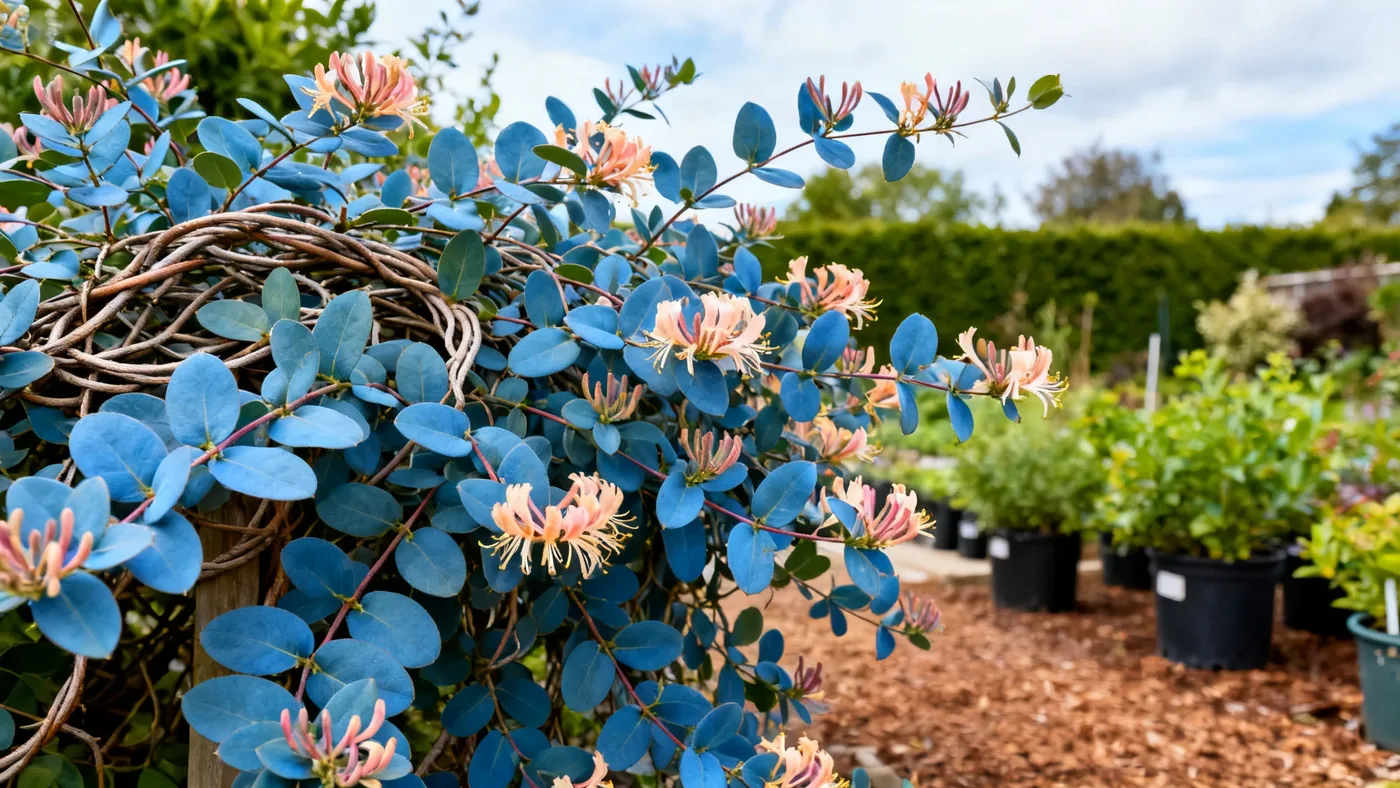
Sun Requirements for Scentsation Honeysuckle: Full Sun or Shade?
Getting the light exposure right is one of the simplest ways to set your Scentsation Honeysuckle up for success. This twining vine responds directly to the sun it receives: more light means more flowers and stronger fragrance, but it will still thrive in part shade if your garden leans that way. The key is understanding your site and making an intentional choice rather than a lucky guess.
Understanding Scentsation Honeysuckle's Light Needs
Scentsation Honeysuckle (Lonicera periclymenum 'Scentsation') performs best in full sun to part shade. This range gives you flexibility depending on your climate and garden layout. Full sun produces the most abundant blooms and the strongest fragrance, which is the main reason gardeners grow this plant. Part shade is tolerated, especially afternoon shade in hot climates where the plant benefits from relief during peak heat.
The plant's hardiness spans USDA zones 5 through 9, so your region's summer intensity matters. A full-sun location in zone 9 (hot, long summers) may need afternoon shade, while the same exposure in zone 5 is ideal year-round.
Full Sun: The Ideal Scenario
Full sun means at least 6 hours of direct sunlight each day. In most zones, 8 to 10 hours is even better. This is the gold standard for Scentsation Honeysuckle because:
- Flowering is most abundant and continuous from late spring through summer, with reblooming into fall in many climates
- The fragrance is strongest and most noticeable, especially in the evening when the scent intensifies
- Foliage stays healthy and dense on the twining stems
- The vine grows vigorously, typically 1 to 2 feet of new growth per year once established
If your honeysuckle receives consistent, unobstructed sunlight, expect it to reward you with the full range of colors (creamy yellow flushed with pink or purple in bud, aging to gold) and a fragrance that will draw you outside on warm evenings.
Part Shade: When and How to Make It Work
Part shade means 3 to 6 hours of direct sun, or dappled light for most of the day. Scentsation Honeysuckle tolerates this well, though you will notice some differences compared to full sun conditions:
- Flowering may be less abundant
- Fragrance intensity can be reduced
- Growth may slow slightly, though still remain vigorous
- Foliage stays green and healthy
Part shade is especially valuable in hot climates or hot microclimates within your garden. Afternoon shade protects the plant from intense afternoon heat and can actually help it maintain more consistent moisture in the soil, reducing stress during peak summer.
Regional Light Considerations: Hot Climates and Afternoon Shade
If you garden in the warmer half of the plant's range (zones 8 and 9), afternoon shade becomes a tool rather than a compromise. A location that receives morning and early afternoon sun, with shade from 2 or 3 p.m. onward, gives you the best of both worlds: enough light for good flowering and fragrance, plus relief from the hottest part of the day.
In zones 5 to 7, full sun is almost always the right choice. The growing season is shorter, and the sun is less intense, so afternoon shade is unnecessary and would only reduce blooming potential.
Check your local climate patterns before deciding. If summer regularly exceeds 90 degrees Fahrenheit and your soil dries quickly, afternoon shade is worth testing. If temperatures stay moderate, full sun is ideal.
Assessing Your Growing Location: A Step-by-Step Approach
Before planting or moving your honeysuckle, take time to map out the light patterns in your garden. This five-minute assessment prevents months of underperformance.
Step 1: Observe Sunlight Patterns
Visit your chosen spot at three times of day: early morning (6 to 8 a.m.), midday (noon to 2 p.m.), and late afternoon (4 to 6 p.m.). Note whether the area receives direct sun or is shaded. Use your phone's timer or a simple notebook to record the hours of direct sunlight. Do this on a clear day for the most accurate reading.
Step 2: Map Permanent and Seasonal Shadows
Identify what casts shadows on your chosen location: a building, fence, large tree, or hill. Seasonal shadows change. A location shaded by a deciduous tree in July may be fully sunny in April. Account for this if you're planting in spring and want to know what summer will bring.
Step 3: Consider Your Support Structure
Scentsation Honeysuckle requires a trellis, arbor, fence, or similar support. The support itself may cast a shadow. A solid fence blocks more light than a lattice trellis. A wire trellis allows almost full light through. Choose your support with this in mind, or plan to position the vine on the sunny side of the support.
Step 4: Test Before Committing
If you have a container-grown plant, place it in your chosen spot for a week or two. Nursery-grown plants are often sold in quart, #1, or #3 containers and are easy to move. Observe how the foliage looks in that location. If it seems healthy and you like the aesthetic, permanent planting is the next step. If foliage looks dull or sparse, the location may be too shaded.
Choosing the Right Spot: Numbered Steps for Installation
Step 1: Select a Location with 6+ Hours of Direct Sun (Ideal)
Choose an east, south, or west-facing location that receives at least 6 hours of direct sunlight. An east or south exposure is preferred because afternoon shade in those directions is minimal in most climates. If you must choose a west-facing wall, be aware that afternoon heat can be intense. Plan to water consistently.
Step 2: Plan for Part Shade if Your Climate is Hot
If you live in USDA zone 8 or 9, or if your specific garden location is particularly hot and exposed, orient the planting so that afternoon shade falls on the vine (2 to 3 p.m. onward). This typically means planting on the east side of a building or structure, or where trees provide afternoon cover.
Step 3: Ensure Adequate Airflow
While your honeysuckle appreciates afternoon shade, it still needs air circulation. Do not tuck it into a dark, enclosed corner. Choose a location that is open and breezy. Good airflow prevents powdery mildew and other fungal issues.
Step 4: Position the Support Structure
Install your trellis, arbor, fence, or other support in the chosen location before planting. The support should be sturdy (honeysuckle vines mature to 6 to 10 feet tall and develop woody stems) and positioned to maximize the light you've assessed. If your support is a fence, position the plant on the sunny side whenever possible.
Step 5: Prepare the Soil and Plant
Honeysuckle adapts to average, well-drained garden soil. Space 3 to 6 feet apart if planting multiples. Dig a hole as wide as the root ball and slightly deeper. Backfill with amended soil (add compost if your native soil is very dense). Water thoroughly after planting. Choose spring or fall as your planting season for the best establishment.
Step 6: Monitor the First Season
During the first growing season, water consistently to help the vine establish. Observe how it responds to the light available. If you planted in part shade, expect slower, more modest growth than you might see in full sun. This is normal and not a cause for concern.
Common Mistakes to Avoid
Mistake 1: Assuming Any Shade Is Fine
Too much shade (less than 3 hours of direct sun) leads to sparse, weak growth and few flowers. If your location gets less than 3 hours of sun, look for a different spot or consider pruning nearby trees to allow more light through.
Mistake 2: Ignoring Afternoon Heat in Hot Climates
Planting in full, all-day sun in zones 8 and 9 without considering afternoon shade can stress the plant. Even if the vine survives, flowering and fragrance may disappoint. Test with afternoon shade first.
Mistake 3: Planting in a Windless, Enclosed Corner
Dark corners that also trap humidity become breeding grounds for powdery mildew. Choose light locations with airflow.
Mistake 4: Blaming Light When the Real Problem Is Water or Support
Weak growth or sparse blooms sometimes result from poor drainage, inconsistent watering, or inadequate support, not light. Before you move your plant, check that the soil drains well and that you are watering regularly during the growing season. Confirm the support is sturdy enough for a mature vine (6 to 10 feet tall).
Expected Results by Light Exposure
Here is what you can typically expect under different light conditions, once the vine is established (2 to 3 years):
Full Sun (8+ Hours Daily)
- Abundant, continuous blooms from late spring through fall
- Strong, noticeable fragrance, especially in the evening
- Dense, healthy foliage along twining stems
- Vigorous growth, 1 to 2 feet of new stem per year
- Full color range in flowers (creamy yellow with pink or purple edges)
Part Shade with Morning Sun (4 to 6 Hours)
- Moderate, regular blooming throughout the season
- Noticeable fragrance, though perhaps less intense than in full sun
- Healthy green foliage
- Good growth, though perhaps slightly slower than in full sun
- Good color development in flowers
Heavy Shade (Less Than 3 Hours)
- Sparse blooming or no flowers
- Weak growth, leggy stems reaching toward available light
- Foliage may be pale or thin
- Not recommended; consider relocating the plant or improving light conditions
Next Steps
Once you have chosen your location and understood the light your garden offers, the rest of honeysuckle care follows. For a complete overview of Scentsation Honeysuckle growing and maintenance, see our full care guide.
Quick Reference: Sun Requirements Checklist
| Light Condition | Daily Sun Hours | Best Climate Zones | Bloom Expectation | Fragrance |
|---|---|---|---|---|
| Full Sun (Ideal) | 6+ hours direct | Zones 5-9 (all) | Abundant, continuous | Strong, especially evening |
| Part Shade (Morning Sun) | 4-6 hours direct | Zones 8-9 (preferred); okay elsewhere | Moderate, regular | Noticeable but less intense |
| Afternoon Shade Only | 4-6 hours, morning/midday only | Zones 8-9 (hot climates) | Good, especially with morning sun | Good |
| Heavy Shade | Less than 3 hours | Not recommended | Sparse or none | Minimal or absent |
Planting Checklist
- Observe the site at three different times of day (morning, midday, late afternoon)
- Record total hours of direct sun (aim for 6+)
- Identify permanent and seasonal shade patterns
- Note your USDA zone and typical summer temperatures
- Confirm the location has good air circulation (not enclosed or windless)
- Plan afternoon shade if in zone 8 or 9 and temperatures exceed 90°F regularly
- Install support structure (trellis, arbor, fence) before planting
- Prepare well-drained soil, space 3-6 ft apart if planting multiple vines
- Plant in spring or fall and water consistently the first season
- Monitor growth and blooming through the first and second seasons