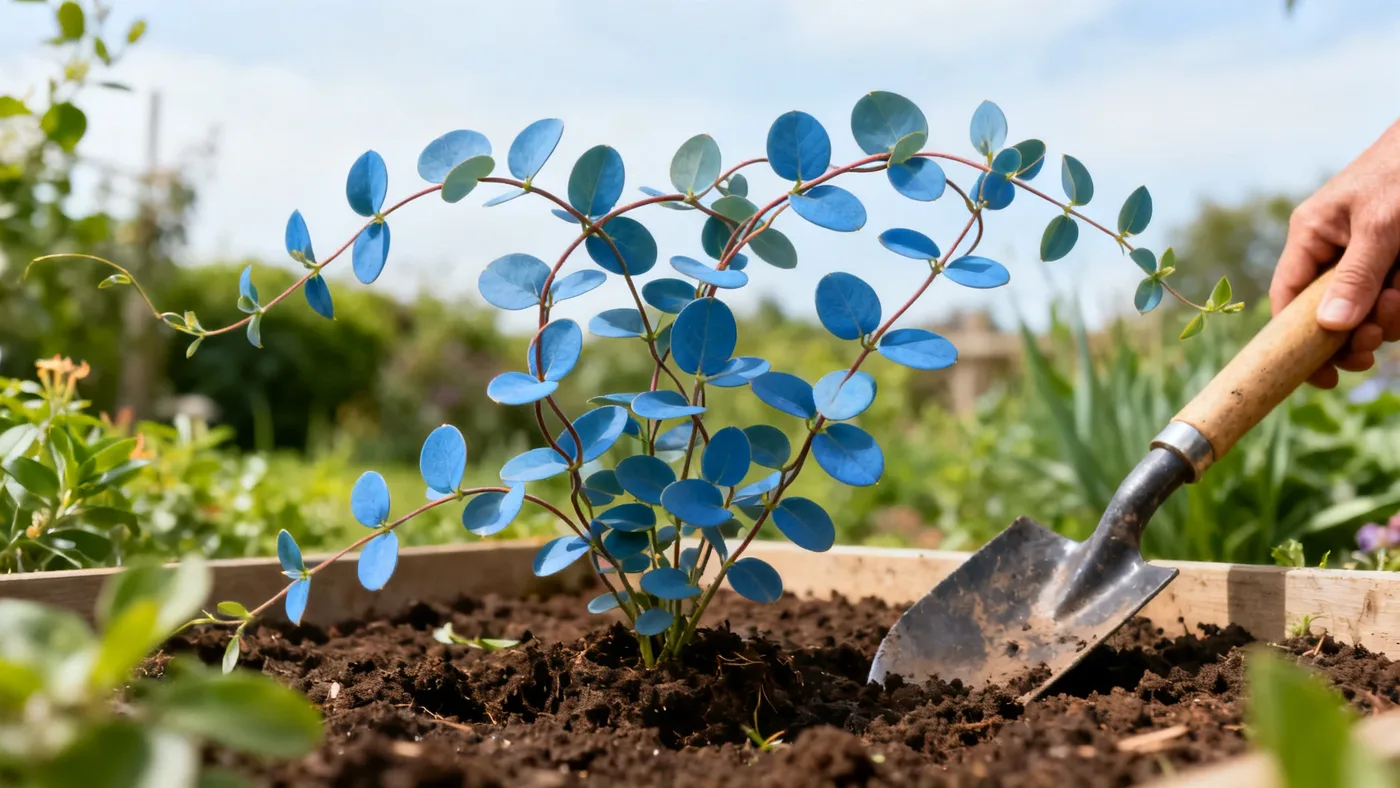
How to Plant Scentsation Honeysuckle for Fast, Fragrant Growth
Scentsation Honeysuckle (Lonicera periclymenum 'Scentsation') is a vigorous, fragrant vine that can transform a bare trellis or fence into a living screen of creamy yellow flowers flushed with pink. Unlike invasive honeysuckle varieties, this cultivated selection behaves reliably in gardens across zones 5 through 9. The key to success is matching the plant to the right site and giving it sturdy support from day one.
Before You Plant: Site Selection and Planning
Scentsation Honeysuckle performs best in full sun, where it produces the most abundant flowers and strongest fragrance. It tolerates afternoon shade in hot climates but will flower less reliably in partial shade. If you're in zones 8 or 9, some afternoon shade can help in extreme heat, but full sun is still the ideal choice in cooler zones.
Choose a location with good air circulation. Poor airflow promotes powdery mildew, especially in humid climates. If you're planting on the side of a house or in a corner, position the vine where air can move around it.
Think about the support structure before you dig. Scentsation Honeysuckle needs something sturdy to climb on. A flimsy trellis will collapse under the weight of the vine. The plant grows roughly 1 to 2 feet of new twining growth per year once established, so it will quickly fill whatever structure you provide.
Materials You'll Need
- One container-grown Scentsation Honeysuckle plant (commonly sold in #1 or #3 containers)
- Sturdy support structure (trellis, arbor, fence, or pergola)
- Well-draining garden soil or compost
- Shovel or spade
- Garden hose or watering can
- Soft garden twine or vine clips (optional, for early training)
- Balanced, slow-release fertilizer
- Mulch (wood chips or compost)
Step-by-Step Planting Instructions
Step 1: Prepare Your Planting Hole
Dig a hole about as wide as the plant's root ball and slightly deeper. If you're planting in spring or fall (the recommended seasons), your soil should already be moist and workable. Test the soil by squeezing it: it should clump slightly but crumble apart. If your soil is compacted or clay-heavy, mix in some compost or well-draining soil amendment to improve texture and drainage. Scentsation Honeysuckle adapts to a range of soil types as long as drainage is reasonable.
Step 2: Loosen the Root Ball
Gently remove the plant from its container. If the roots are circling tightly inside the pot, loosen them with your fingers or make two to three shallow vertical cuts along the sides of the root ball. This encourages roots to grow outward into the surrounding soil rather than continuing to spiral.
Step 3: Set the Plant at the Right Depth
Place the plant in the hole so that the top of the root ball is level with the ground surface. Planting too deep can cause the crown to rot; planting too shallow leaves roots exposed. Fill the hole halfway with soil, gently firm it down, then water to settle the soil. Fill the rest of the hole and water again.
Step 4: Apply Mulch
Spread 2 to 3 inches of mulch (compost or wood chips) around the base of the plant, staying 2 inches away from the stem. Mulch keeps soil moisture consistent during the crucial establishment phase and moderates soil temperature. Scentsation Honeysuckle benefits from shaded roots, especially in warmer zones, so mulch serves double duty.
Step 5: Fertilize Lightly
Apply a balanced, slow-release fertilizer around the base according to package directions. Scentsation Honeysuckle is a light feeder, so you don't need heavy feeding. A single application in early spring will sustain the plant through the growing season.
Setting Up Support: The Foundation for Success
This step cannot be skipped. Without sturdy support, Scentsation Honeysuckle becomes a tangled, sprawling mass rather than an elegant climbing vine. Install your support structure before or immediately after planting.
Suitable supports include wooden trellises at least 6 inches deep and firmly mounted to a wall or fence, arbors, pergolas, sturdy wire fencing, and decorative obelisks. The structure should support the mature weight of the vine, which can be substantial after a few years.
Position the vine's stems near the support, but don't force them. In the first season, you may gently tie young stems to the trellis using soft garden twine or flexible clips. The vine will begin to twine naturally once it finds something to grip. Avoid tight ties that can girdle the stem; the twine should be loose enough that you can slip a finger underneath.
If you're planting multiple vines, space them 3 to 6 feet apart along your support. Closer spacing (3 feet) creates denser coverage quickly; wider spacing (6 feet) allows better air circulation and is easier to maintain.
First-Year Care: Establishing a Strong Foundation
The first growing season is critical for root establishment. Water regularly during dry spells, aiming for consistent moisture without waterlogging. The plant needs regular watering while establishing, then transitions to medium water needs once roots are deeper. A good rule is to water when the top inch of soil feels dry to the touch.
In late spring, you may see the first flowers if you planted a container-grown specimen in spring. Let the plant bloom, but don't expect a massive display the first year. The focus at this stage is root growth and vine development.
Light pruning after the first flush of bloom encourages reblooming and tidies the vine's shape. Pinch back growing tips or remove weak or crossing stems. Avoid hard pruning during the first season, since the plant is still establishing.
Monitor for pests. Aphids, including the honeysuckle witches'-broom aphid, can distort new growth. Scale insects and spider mites occasionally appear. Early detection and a strong water spray or insecticidal soap treatment prevent infestations from taking hold.
Tips for Success
Soil pH and Soil Type Scentsation Honeysuckle prefers slightly acidic to neutral soil, roughly 6.0 to 7.0 pH, but adapts to a range. If your soil is very acidic or alkaline, a soil test from your local extension service guides amendments. Most home gardeners find this plant thrives without major pH adjustment.
Fragrance Timing The flowers smell strongly sweet and fragrant, with the strongest scent in evening hours. Plant near a patio, deck, or open window where you can enjoy the evening fragrance.
Pollinator Attraction This vine attracts hummingbirds, bees, butterflies, and night-flying moths. Avoid pesticides if possible; a few aphids won't ruin the plant or the wildlife show.
Drought Tolerance Once established (typically by year two), Scentsation Honeysuckle shows moderate drought tolerance. This doesn't mean abandoning it in prolonged dry spells, but it's more forgiving than plants that require constant moisture. Mulch helps extend time between waterings.
Winter Behavior In zones 5 to 7, the vine loses its leaves and goes dormant, leaving the bare structure visible. In milder zones (8 to 9), it may retain some foliage into winter, becoming semi-evergreen. Either way, the woody vine provides winter interest on its support structure.
Common Mistakes to Avoid
Flimsy Support This is the number one mistake. A weak trellis or unstable fence post will collapse under the vine's weight. Use sturdy materials and secure mounting. If in doubt, overbuilt the support rather than underbuilt.
Planting Without Clearing Space Don't plant the vine directly against a wall without clearance. Leave at least 12 inches of space between the vine and the wall or siding to allow air circulation and prevent moisture damage to structures. Use a trellis mounted 2 to 3 inches out from the wall.
Overwatering Wet, poorly draining soil causes root rot, especially during establishment. Water when the soil is dry to the touch, not constantly wet. Scentsation Honeysuckle enjoys consistent moisture, not soggy conditions.
Heavy Pruning in the First Year Resist the urge to prune hard during the establishment phase. Light shaping is fine, but the plant needs its foliage to fuel root development. Save heavy pruning for year two and beyond.
Ignoring Powdery Mildew Signs In humid or crowded conditions, powdery mildew appears as a white coating on leaves. Catch it early with improved air circulation (thin the vine slightly) or fungicide spray. Allowing it to spread makes treatment harder later.
What to Expect: Growth and Flowering Timeline
A container-grown Scentsation Honeysuckle often blooms its first season from purchase, though flowers may be modest. By year two and three, the vine reaches fuller maturity with abundant blooms. The plant grows roughly 1 to 2 feet of new twining growth per year once established, so a mature vine on a large arbor takes 2 to 3 years to develop.
Flowers appear in late spring and continue through summer, with reblooming into fall in many climates. Each flower cluster opens over several days, giving you a long display window. The creamy yellow blooms fade to gold as they age.
The mature vine reaches 6 to 10 feet in height on a climbing support, with a 3 to 6 foot spread depending on the structure and pruning. Scentsation Honeysuckle is a long-lived woody vine, often thriving 15 to 20 years or more with routine pruning and support maintenance.
Quick Reference: Planting Checklist
| Task | Details |
|---|---|
| Site Selection | Full sun to part shade; good air circulation; zone 5-9 |
| Planting Season | Spring or fall |
| Soil Type | Well-draining, average garden soil; pH 6.0-7.0 preferred |
| Spacing | 3-6 feet apart if planting multiples |
| Support Structure | Sturdy trellis, arbor, fence, or pergola; 6+ inches deep if wall-mounted |
| Planting Depth | Root ball top level with ground surface |
| Mulch | 2-3 inches around base; 2 inches away from stem |
| First-Year Watering | Regular watering during dry spells; consistent moisture |
| Fertilizing | Light feeder; balanced slow-release in early spring |
| First-Year Pruning | Light pruning after first flush; avoid heavy cuts |
| Expected Growth Rate | 1-2 feet of new growth per year once established |
| Mature Size | 6-10 feet tall; 3-6 feet spread |
| First Bloom | Often year one from container; fuller display by year 2-3 |
| Full Maturity | 2-3 years on climbing support |
For detailed care after planting, including pruning, pests, and seasonal maintenance, see the Scentsation Honeysuckle Care Guide.