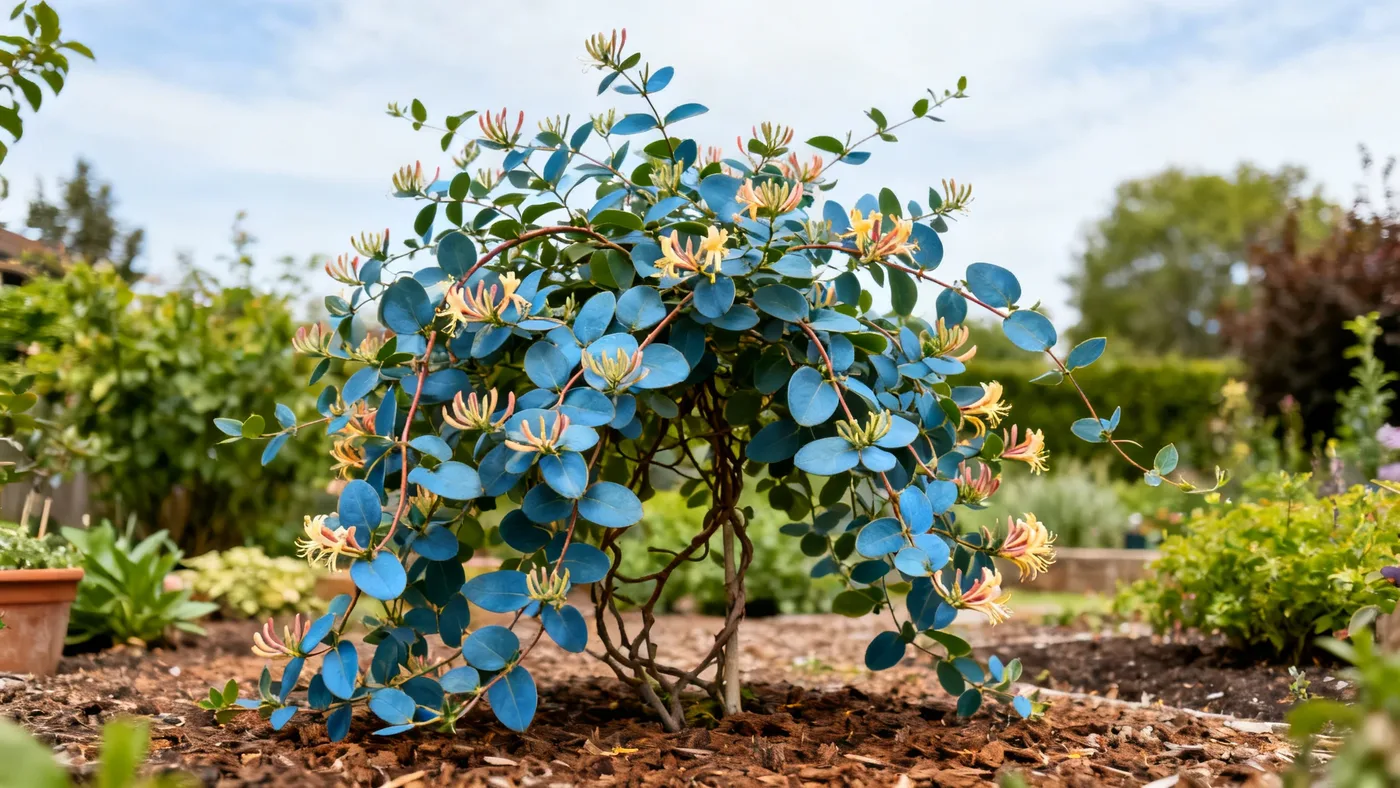
How to Water Scentsation Honeysuckle at Every Growth Stage
Scentsation Honeysuckle is a forgiving vine that doesn't demand constant attention, but it does have specific water needs as it moves from a freshly planted vine to an established climber. Getting the watering rhythm right means more robust growth, better flowering, and a vine that can handle the occasional dry spell without stress. This guide walks you through exactly how much and how often to water your honeysuckle at each stage of its life.
What You'll Need
- A soaker hose or drip irrigation line (recommended for consistency)
- A watering can or garden hose with a gentle flow setting
- A soil moisture probe or your thumb for checking soil depth
- A mulch tool or hand shovel for adding protective mulch
- 2 to 3 inches of organic mulch (compost, wood chips, or shredded bark)
- Optional: rain gauge to track natural rainfall
Stage 1: The Establishment Phase (First Growing Season)
The first few months after planting are critical. Your Scentsation Honeysuckle is directing energy into root development rather than visible growth, and consistent soil moisture is your job during this window.
- Water deeply right after planting. Whether you plant in spring or fall, water thoroughly to settle the soil around the root ball. Soak the area until water runs into the surrounding soil, not just the top inch.
- Check soil moisture every 2 to 3 days in the first month. Push your finger into the soil 2 inches deep about 6 inches from the stem. If it feels dry at that depth, water. This is more reliable than a fixed schedule because rainfall and heat vary.
- Water deeply but less frequently. Aim for 1 to 2 inches of water per week, delivered in one or two deep soakings rather than daily light sprinkles. Deep watering encourages roots to grow down into the soil profile.
- Apply mulch around the base. Lay 2 to 3 inches of organic mulch in a ring around the vine, stopping a few inches short of the stem itself. This keeps soil temperature stable and reduces moisture loss to evaporation.
- Water in early morning. Morning watering allows foliage to dry quickly and reduces the window for fungal diseases like powdery mildew.
During the establishment phase, your honeysuckle will produce 1 to 2 feet of new twining growth per year once established. This is the foundation; don't rush it. Consistent moisture now pays off in a healthier, more vigorous vine by year two.
Stage 2: Active Growing Phase (Year Two and Beyond)
Once your Scentsation Honeysuckle has completed its first year, root development is more robust and you can ease up on the frequency.
- Shift to weekly watering checks. Instead of checking every 2 to 3 days, check once a week. Push your finger 3 inches into the soil. If it's still moist, skip watering that day.
- Water when the top 2 inches are dry. This is the sweet spot for average growing conditions. The soil should never be soggy (roots need oxygen), but it shouldn't dry out completely between waterings.
- Provide 1 inch of water per week if there's no rain. This includes natural rainfall. If you get half an inch of rain mid-week, you only need to add another half inch. A simple rain gauge takes the guesswork out.
- Refresh mulch annually in spring. As the existing mulch breaks down, add another inch to maintain soil insulation and moisture retention.
- Use a soaker hose or drip line if possible. These deliver water directly to the root zone without wetting the foliage, which helps prevent disease. They're also more water-efficient than overhead watering.
At this stage, your honeysuckle is growing vigorously and preparing to flower. The steady moisture supports both leaf development and bud formation. Wilting leaves are a sign you've gone too long without water; adjust your schedule if you see this.
Stage 3: Bloom Phase (Late Spring Through Fall)
Scentsation Honeysuckle blooms from late spring through summer, often reblooming into fall. Flowering is a water-intensive process, and maintaining consistent moisture during bloom supports both current flowers and future flowering cycles.
- Don't reduce water during peak bloom. Some gardeners assume blooming plants need less water. The opposite is true: a well-watered vine produces more flowers and holds them longer.
- Water at the base, not the flowers. Wet flowers can drop prematurely or become susceptible to spotting and mildew. Keep water on the soil.
- Monitor during hot spells. On days above 85°F with no rain, your honeysuckle may need water twice a week. The soil dries faster in heat, and the plant transpires more moisture through its leaves.
- Maintain mulch depth. Mulch is especially valuable during bloom season because it reduces temperature swings in the root zone and keeps soil moisture more stable.
Consistent watering during the blooming season means more buds, longer bloom duration, and a better chance of the reblooming that makes Scentsation Honeysuckle such a reliable performer through summer and fall.
Stage 4: Late Season and Dormancy
As temperatures cool in fall and your honeysuckle enters dormancy (or semi-dormancy in mild climates), water needs decline naturally.
- Taper watering as temperatures drop. In September and October, begin reducing frequency. Check soil moisture before watering instead of watering on a fixed schedule.
- Water before frost if the soil is dry. A dormant vine doesn't need much, but going into winter with dry soil stresses the roots. If there's no rain in late fall, give your honeysuckle one deep watering as a buffer.
- Leave mulch in place through winter. Don't remove the protective mulch layer. It insulates roots and keeps soil temperature more stable during freeze-thaw cycles.
- Resume regular watering in spring when new growth appears. As soon as you see buds swelling or new leaves emerging, go back to the weekly check-in schedule.
Common Watering Mistakes to Avoid
Overwatering. This is the biggest mistake, especially with honeysuckles in containers or heavy clay soils. Soggy soil invites root rot and creates conditions for powdery mildew. If leaves yellow or droop despite moist soil, overwatering is likely the cause. Let the soil dry slightly between waterings and ensure water drains away freely.
Shallow, daily watering. Quick surface sprinkles don't reach developing roots. They also encourage shallow root systems that are more drought-sensitive later. Always water deeply and less often.
Evening watering. Watering late in the day leaves foliage wet overnight, which sets up powdery mildew. Morning watering is always better.
Forgetting mulch. Bare soil loses moisture rapidly and heats up in summer, stressing the vine. Mulch is not optional if you want to water less frequently.
Ignoring rainfall. Counting rain as if you'd watered when you didn't leads to overwatering. Use a rain gauge or check a weather app to know how much you received, then water only if the total is less than 1 inch for the week.
Tips for Success
Check for adequate drainage before planting. Scentsation Honeysuckle grows in average, well-drained garden soil. If your soil is clay-heavy or tends to stay wet, amend it with compost to improve drainage. A vine with poor drainage will struggle no matter how carefully you water.
Group plants by water needs if you're designing a garden around your honeysuckle. This makes irrigation easier and prevents overwatering nearby perennials that prefer drier conditions.
Use a drip timer in summer if you travel or have a busy schedule. Even 7 to 10 days without water can stress a blooming vine, so automation removes that stress.
Water newly planted container honeysuckles more often than in-ground vines. Containers dry out faster and have nowhere for excess water to drain. Check daily and water when the top inch of potting soil is dry.
What to Expect
A well-watered Scentsation Honeysuckle grows steadily and blooms reliably throughout its season. You'll see vigorous new growth in spring and summer, abundant fragrant flowers from late spring onward, and minimal wilting or stress even during warm spells.
The fragrance is most noticeable in evening and after rain, when plants are well-hydrated and transpiring actively. Expect the creamy yellow flowers flushed with pink or purple in bud to age to gold and attract hummingbirds, bees, and butterflies to your garden.
Read our full Scentsation Honeysuckle care guide for details on pruning, support structures, and other aspects of keeping your vine healthy year-round.
Quick Reference: Watering Checklist
| Growth Stage | Timeline | Watering Frequency | Soil Check | Key Point |
|---|---|---|---|---|
| Establishment | First 3-4 months after planting | Every 2-3 days or when top 2 inches dry | Check 2 inches deep 6 inches from stem | Consistent moisture supports root growth |
| Active Growth (Year 2+) | Spring and early summer | Weekly check, water when top 2 inches dry | Check 3 inches deep | Aim for 1 inch per week including rain |
| Blooming | Late spring through fall | Weekly in cool weather; 2x weekly in heat (above 85°F) | Check 3 inches deep | Don't reduce water during bloom |
| Late Season / Dormancy | Fall and winter | Taper frequency; check before watering | Check 3 inches deep | One deep watering before hard frost if soil is dry |
- Always water in early morning
- Water at the base; keep foliage dry
- Maintain 2 to 3 inches of mulch year-round
- Deep watering is better than frequent shallow watering
- Use well-drained soil and check for standing water after heavy rain
- Adjust frequency based on rainfall, soil type, and heat
- A moisture probe or your finger is more reliable than a fixed schedule