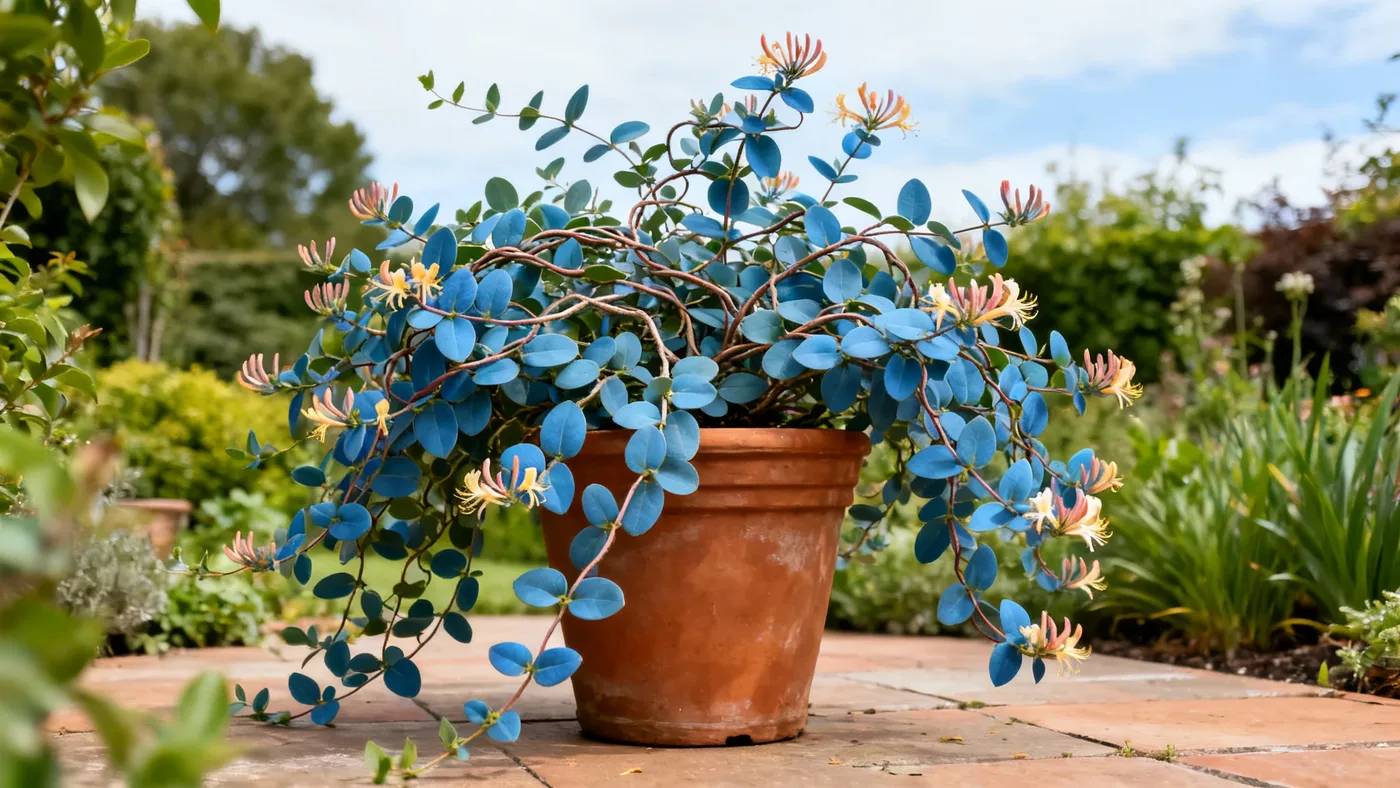
Growing Scentsation Honeysuckle in Pots and Containers
You don't need a sprawling garden to enjoy the cascading blooms and evening fragrance of Scentsation Honeysuckle. This fast-growing vine adapts beautifully to container growing, making it an excellent choice for patios, entryways, and small spaces. With the right pot, soil, and support structure, you can create a flourishing potted honeysuckle vine that rewards you with fragrant flowers throughout the growing season.
Why Container Growing Works for Scentsation Honeysuckle
Container gardening gives you control that in-ground planting doesn't. Scentsation Honeysuckle is suitable for containers, which means you can position your potted honeysuckle vine exactly where you want fragrance and visual interest. You can move it to follow the sun, protect it during harsh weather, or showcase those evening blooms from a favorite seating area.
The vine often blooms the first season from a container-grown plant. Over 2 to 3 years, it reaches fuller size and produces increasingly abundant flowers. In zones 5 to 9, this cultivar thrives in containers with consistent care.
What You'll Need
Gather these materials before you begin:
- A large container (details on sizing below)
- High-quality potting soil or garden soil mix
- A sturdy support structure (trellis, obelisk, or cage)
- Slow-release, balanced fertilizer
- Mulch for the soil surface
- Watering can or hose
- A young Scentsation Honeysuckle plant, often sold in #3 or quart containers
Choosing the Right Container Size for Scentsation Honeysuckle
Container size matters more than most gardeners realize. This cultivar has vigorous, twining growth and a fast growth rate of roughly 1 to 2 feet per year once established. Too small a pot restricts roots and limits water retention, while an overly large container stays soggy and invites root rot.
Start with a large container: a minimum of 12 to 15 inches in diameter for the first year. As the vine grows, you can step up to an 18 to 20-inch or larger pot after the first or second season. The pot should have drainage holes on the bottom. Material matters less (plastic, ceramic, or fabric all work), but ensure the container can support the weight of moist soil plus the mature vine and its support structure.
A general rule is to match the pot's width to roughly one-third to one-half of the vine's expected mature width of 3 to 6 feet. For most home gardeners, a 15 to 18-inch pot provides the right balance of root room and manageable watering.
Step-by-Step Planting Guide
Step 1: Prepare the Container and Support
Place the empty container in its permanent location before filling it with soil. A pot of moist potting soil is heavy, and you'll want it in place before the vine roots in. If using a trellis or support structure, insert it into the pot now, anchored firmly in the soil you're about to add. A sturdy support prevents the growing vine from toppling your pot as it gains height and weight.
Step 2: Fill with Well-Draining Soil
Use a quality potting soil or a mix of garden soil and compost. Scentsation Honeysuckle adapts to average soil types but prefers slightly acidic to neutral soil, roughly 6.0 to 7.0 pH. Fill the container about two-thirds full, leaving room for the root ball and mulch later.
Step 3: Plant Your Honeysuckle
Remove the young plant from its nursery pot and gently loosen the root ball with your fingers. Set it in the container so the top of the root ball sits level with the soil surface. Do not bury the crown deeper than it was in the nursery pot. Fill around the sides with additional soil, pressing gently to remove air pockets.
Step 4: Water Thoroughly
Water the freshly planted vine until water drains from the bottom of the pot. This settles the soil and hydrates the root ball. Keep the soil consistently moist but not waterlogged for the first few weeks while the plant establishes.
Step 5: Mulch and Support
Spread 1 to 2 inches of mulch over the soil surface, keeping it a few inches away from the stem. Mulch conserves moisture and moderates soil temperature. Gently tie or guide the vine's new growth toward the trellis support using soft twine.
Year-Round Container Care
Watering
Potted honeysuckle vine care hinges on consistent watering. Containers dry faster than in-ground soil. Water when the top inch of soil feels dry to the touch, usually 2 to 3 times weekly during the growing season, depending on temperature and pot size. In cooler months or dormancy, reduce frequency. Overhead watering is fine, but aim for the soil rather than the foliage to minimize disease.
Sunlight
Position your pot in full sun for best flowering and fragrance. Scentsation Honeysuckle tolerates part shade, but blooms and scent are most abundant in 6 or more hours of direct sun daily. In very hot climates, afternoon shade helps reduce stress.
Fertilizing
This is a light feeder. Apply a balanced, slow-release fertilizer in early spring. One application per season is usually sufficient. Avoid over-feeding, which promotes leafy growth at the expense of flowers.
Pruning
After the first flush of bloom, light pruning tidies the vine and can encourage reblooming. Avoid heavy hard-pruning, since older wood contributes to flowering. Shape your vine in late winter or early spring before new growth begins, if desired. Container plants often stay more compact naturally, so pruning may be minimal.
Supporting Your Honeysuckle Vine Trellis Pot
The support structure is non-negotiable. Without it, a potted honeysuckle vine becomes a tangled, sprawling mass. Choose a sturdy trellis, obelisk, or tower-style support tall enough for your vine to climb. A vine reaching 6 to 10 feet tall (its mature height when trained on a support) needs a structure of at least 5 to 7 feet.
Ensure the support is stable and anchored well into the pot's soil or a weighted base. Wind can catch the growing foliage and topple an unstable setup. As the vine matures and blooms accumulate, it becomes heavier and more susceptible to wind damage.
You can train the vine by gently weaving its flexible stems through the support's openings or tying them loosely with soft twine. The vine's natural twining habit does much of the work once it contacts the support.
Common Container Growing Mistakes
Undersized Container
The most frequent error is choosing a pot too small. Roots quickly run out of room, water evaporates faster, and the vine stalls. Start generous with pot size; you can always move the vine to a larger container later.
Unstable Support
A wobbly trellis or support creates stress on the vine and can topple in wind. Invest in a sturdy structure and secure it properly before planting.
Inconsistent Watering
Containers dry quickly, especially in sun. Forgetting waterings for even a few days can wilt the vine and reduce flowering. A drip irrigation setup or self-watering pot can help maintain steady moisture.
Poor Drainage
A container without drainage holes or soil that doesn't drain well invites root rot. Use well-draining potting soil and containers with drainage openings on the bottom.
Expected Results and Timeline
Your container-grown Scentsation Honeysuckle may flower within the first season, particularly if you start with a larger nursery plant. Flowers appear in late spring through summer, with reblooming into fall in many climates. The creamy yellow blooms flushed with pink in bud age to gold and release their strongest fragrance in the evening.
Growth accelerates after the first year. By year 2 to 3, you'll have a well-established vine producing abundant flowers. As it matures, the vine's twining stems thicken, and the display becomes more impressive each season.
For more detailed information on overall care, refer to our Scentsation Honeysuckle care guide.
Container Growing Quick Reference
| Task | Timing | Details |
|---|---|---|
| Plant or repot | Spring or fall | Use a 15-18" container with drainage; firm soil around root ball |
| Install support | At planting | Use a sturdy trellis or obelisk 5-7 ft tall; anchor firmly |
| Watering | Year-round | Keep soil consistently moist; water when top inch is dry |
| Fertilize | Early spring | Apply slow-release balanced fertilizer once per season |
| Light pruning | After first bloom flush | Tidy vine; avoid heavy pruning to preserve flowering wood |
| Check soil moisture | Every 2-3 days (growing season) | Containers dry faster than garden soil; adjust watering as needed |
| Mulch | After planting | Apply 1-2" around base; keep clear of stem |
| Expected first bloom | First season possible | More robust flowering by year 2-3 |