Scentsation Honeysuckle FAQ: Answers to Common Questions
About Scentsation Honeysuckle
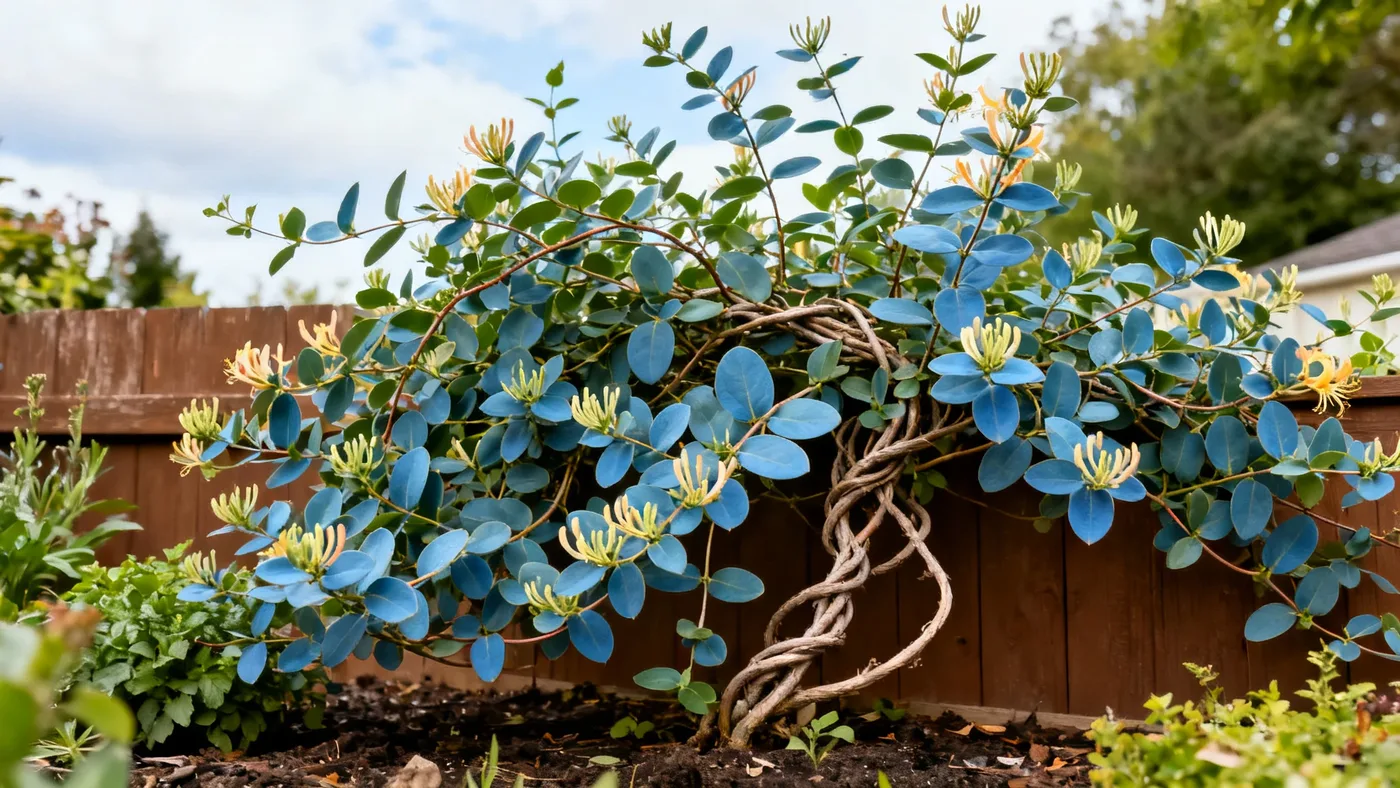
What is Scentsation Honeysuckle exactly? Scentsation Honeysuckle (Lonicera periclymenum 'Scentsation') is a deciduous to semi-evergreen twining vine bred and marketed by Proven Winners as a fragrant, well-behaved alternative to invasive Japanese honeysuckle. It belongs to the Caprifoliaceae family and produces sweetly fragrant flowers from late spring through fall, with blue-green foliage and a naturally climbing growth habit.
How is Scentsation Honeysuckle different from other honeysuckle varieties? Unlike the seriously invasive Lonicera japonica (Japanese honeysuckle), Scentsation is a cultivated selection bred to remain well-contained and non-invasive, making it safe for home gardens. It also offers exceptionally strong evening fragrance and reblooming capacity, flowering reliably from late spring into fall rather than a single brief window. The flower color (creamy yellow flushed with pink or purple, aging to gold) and compact growth pattern distinguish it from many related Lonicera species.
Is Scentsation Honeysuckle invasive? No, Scentsation Honeysuckle is specifically a non-invasive cultivar, unlike the aggressive Lonicera japonica. However, some regions may restrict various Lonicera species on their invasive plant lists, so check your state or local invasive plant regulations before planting to confirm approval in your area.
Growing Conditions and Climate
What USDA zones is Scentsation Honeysuckle hardy in? Scentsation Honeysuckle is hardy in USDA zones 5 through 9, making it suitable for much of the northern and central United States down through the upper South. In zone 5, expect it to die back in winter and regrow from the base; in zones 8 and 9, it may hold some foliage through mild winters, displaying semi-evergreen character.
Does Scentsation Honeysuckle need full sun? Yes, Scentsation Honeysuckle produces the most abundant flowers and strongest fragrance in full sun, which is the ideal condition for this vine. Full sun also encourages robust growth and the best display of its creamy yellow flowers flushed with pink or purple in bud.
Can Scentsation Honeysuckle grow in shade? Scentsation can tolerate part shade, particularly afternoon shade in hot climates where it may appreciate relief from intense midday heat. However, flowering and fragrance will be noticeably reduced in partial shade, so a location with at least 6 hours of direct sun is strongly recommended for optimal performance.
What soil does Scentsation Honeysuckle prefer? Scentsation Honeysuckle is highly adaptable and thrives in average, well-drained garden soil with a soil pH between 6.0 and 7.0 (slightly acidic to neutral). It does not require specially amended soil, though good drainage is essential to prevent root rot in wet conditions.
How much water does Scentsation Honeysuckle need? When first planted, Scentsation requires regular watering to establish a strong root system, typically weekly or when the top inch of soil feels dry. Once established (usually within one growing season), it needs only average, consistent moisture and shows moderate drought tolerance, though occasional deep watering during dry spells improves flowering and vigor.
Size, Growth, and Maturity
How big does Scentsation Honeysuckle get? Scentsation Honeysuckle reaches 6 to 10 feet tall when trained on a support structure, with a spread of 3 to 6 feet, though it will sprawl wider if left without support. The final size depends on your training method, the type of support provided, and regional climate.
How fast does Scentsation Honeysuckle grow? Once established, Scentsation produces roughly 1 to 2 feet of new twining growth per year, making it a fast-growing vine that quickly covers a trellis or arbor. Growth rate varies by region, climate, and available sunlight, with warmer zones and sunnier locations seeing the most vigorous annual growth.
How long does it take Scentsation Honeysuckle to reach full size? Scentsation often blooms the first season from a container-grown plant, though it typically reaches fuller mature size in 2 to 3 years with consistent care. This relatively fast maturation makes it an excellent choice for gardeners wanting quick coverage on a newly installed trellis or arbor.
How long does Scentsation Honeysuckle live? Scentsation Honeysuckle is a long-lived woody vine with a typical lifespan of 15 to 20 or more years, often outlasting the support structures it climbs if given routine pruning and maintenance. With proper care, a single planting can provide decades of fragrant blooms and seasonal interest.
Blooming, Fragrance, and Appearance
Is Scentsation Honeysuckle evergreen? Scentsation Honeysuckle is deciduous to semi-evergreen, meaning it is fully deciduous (loses all leaves in winter) in zones 5 through 7, and may retain some foliage in milder zones 8 and 9. In cold climates, expect bare vines on your support structure from late fall through early spring, with full green foliage and vigorous growth resuming in late spring.
When does Scentsation Honeysuckle bloom? Scentsation Honeysuckle blooms from late spring through summer, with reblooming often continuing into fall in many climates. This extended bloom window, unusual among honeysuckles, means you can enjoy fragrant flowers from May or June through September or even October, depending on your region.
What color are the flowers? The flowers are creamy yellow flushed with pink or purple when in bud, and age to a warm gold as they open and mature. This color progression creates an especially attractive display, with buds and open flowers at different stages of color showing simultaneously on the vine.
How fragrant is Scentsation Honeysuckle? Scentsation Honeysuckle is strongly and sweetly fragrant, with the most noticeable scent in the evening hours when night-flying pollinators are active. The fragrance is one of the defining features of this cultivar, so position it near a patio, window, or seating area where you can enjoy the evening perfume.
Care, Maintenance, and Support
Does Scentsation Honeysuckle need pruning? Yes, light pruning after the first flush of bloom encourages tidiness and can trigger reblooming later in the season. Avoid heavy hard-pruning, as older wood contributes importantly to flowering; a gentle trim to shape and remove any dead or crossing stems is all that is needed.
When should you prune Scentsation Honeysuckle? Light pruning is best done after the first major bloom flush in early to mid-summer to encourage reblooming. You can also shape the vine in late winter or early spring before new growth begins, removing any winter-damaged wood and thinning crowded stems.
Does Scentsation Honeysuckle need fertilizer? Scentsation is a light feeder and does not require heavy fertilization; a balanced, slow-release fertilizer applied in early spring is generally sufficient to support a full season of growth and blooming. If your soil is poor or very sandy, one spring feeding will help, but over-fertilizing can actually reduce flowering.
What support does Scentsation Honeysuckle need? Scentsation Honeysuckle is a twining vine and requires a sturdy trellis, arbor, fence, pergola, or similar structure to climb and support its weight at full maturity. Without a strong support, the vine becomes a tangled sprawling mass that is difficult to manage; plan for the support structure before or at planting time.
Can Scentsation Honeysuckle grow in a container? Yes, Scentsation is suitable for large containers (commonly sold in #3 containers) as long as you provide an upright trellis or other climbing support and ensure consistent watering during the growing season. Containers do require more frequent watering than in-ground plantings, especially during hot weather.
Pests, Diseases, and Wildlife
What pests affect Scentsation Honeysuckle? Scentsation can occasionally be bothered by aphids (including the honeysuckle witches'-broom aphid), scale insects, and spider mites, though healthy, well-established vines are fairly resilient. Watch for distorted new growth or sticky honeydew on the foliage as signs of aphid activity, and treat early with insecticidal soap or horticultural oil if needed.
Does Scentsation Honeysuckle get diseases? Powdery mildew and leaf spot are the most common fungal diseases, especially in humid climates or where air circulation is poor. Ensure adequate spacing, prune out crossing stems to improve air flow, and avoid overhead watering to minimize disease pressure.
Does Scentsation Honeysuckle attract pollinators? Absolutely. The flowers attract hummingbirds, bees, butterflies, and night-flying moths, making Scentsation an excellent choice for wildlife gardens and pollinator-friendly landscapes. The vine also produces berries that can attract birds later in the season, adding another layer of wildlife value.
Is Scentsation Honeysuckle deer resistant? Yes, Scentsation Honeysuckle is generally considered deer resistant and will rarely be browsed by deer. However, in areas with very high deer pressure, no plant is absolutely guaranteed, so deer resistance should be viewed as a reliable advantage rather than an absolute guarantee.
Safety and Toxicity
Is Scentsation Honeysuckle toxic to pets or people? The berries may cause mild gastrointestinal upset if ingested by pets or people, though Scentsation is not considered highly toxic. Ingestion of berries or foliage is generally discouraged as a precaution, and the plant is safe to grow around gardens and outdoor spaces with normal supervision.
Planting and First-Year Care
When should you plant Scentsation Honeysuckle? Scentsation can be planted in spring or fall, with spring planting giving the vine the full growing season to establish roots before winter. Fall planting is also successful in zones 6 through 9, allowing the plant to settle in over winter and emerge vigorous in spring.
How far apart do you space multiple Scentsation Honeysuckle vines? Space Scentsation Honeysuckle 3 to 6 feet apart if planting multiples along a long fence or pergola, adjusting spacing based on your desired coverage speed and mature width. Closer spacing gives faster coverage, while wider spacing reduces competition and air circulation issues.
Quick Reference Checklist
| Characteristic | Details |
|---|---|
| USDA Hardiness Zones | 5 through 9 |
| Mature Height | 6 to 10 feet (on support) |
| Mature Spread | 3 to 6 feet |
| Annual Growth Rate | 1 to 2 feet of new vine per year |
| Years to Full Maturity | 2 to 3 years |
| Lifespan | 15 to 20+ years |
| Bloom Time | Late spring through fall |
| Flower Color | Creamy yellow flushed with pink/purple in bud, aging to gold |
| Sun Requirement | Full sun to part shade; full sun best for blooming |
| Soil Type | Average, well-drained; pH 6.0 to 7.0 |
| Water Needs | Regular while establishing; average consistent moisture thereafter |
| Spacing (multiples) | 3 to 6 feet apart |
| Drought Tolerance | Moderate once established |
| Deer Resistant | Generally yes |
| Evergreen | Deciduous to semi-evergreen (semi- only in mild zones 8 and 9) |
| First Bloom | Often blooms first season from container plant |
| Invasive Status | Non-invasive cultivar (check local regulations) |
Want to learn more? For detailed step-by-step guidance on planting, pruning, watering, and troubleshooting, see our complete Scentsation Honeysuckle care guide.