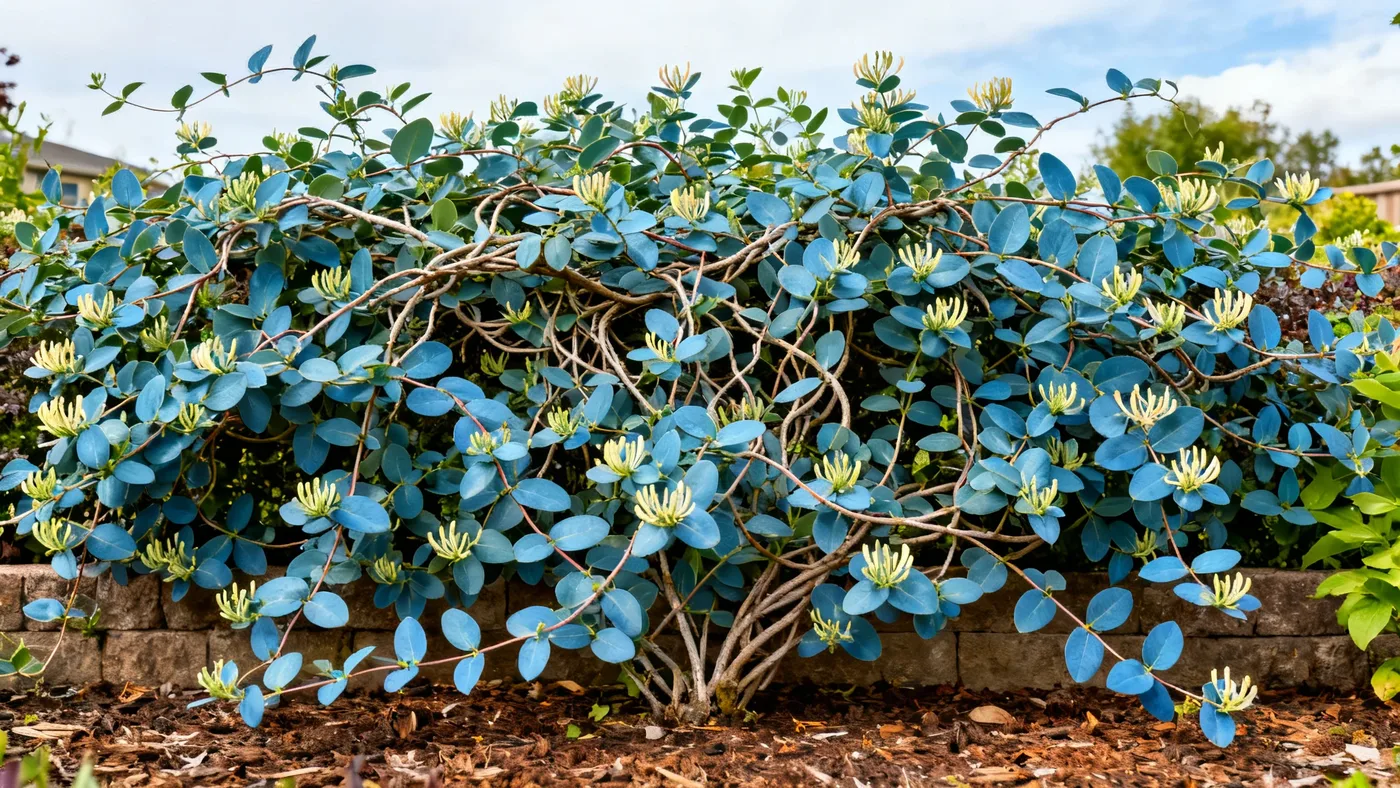
Scentsation Honeysuckle Hardiness Zones: Where Does It Grow?
Basic Zone Information
What hardiness zones does Scentsation Honeysuckle grow in?
Scentsation Honeysuckle thrives in USDA hardiness zones 5 through 9. This range covers most of the continental United States, from the cold climates of the Upper Midwest and Northeast down through the warm Southeast and into parts of the Southwest. If you're unsure of your zone, check the USDA Hardiness Zone Map using your ZIP code.
Can I grow Scentsation Honeysuckle in zone 5?
Yes, zone 5 gardeners can successfully grow Scentsation Honeysuckle. This vine is hardy to zone 5 temperatures, which can dip to minus 15 to minus 20 degrees Fahrenheit. Plant it in spring and give it one full growing season to establish before the first winter, as young vines are more vulnerable than established plants.
Is Scentsation Honeysuckle cold hardy?
Scentsation Honeysuckle is a cold-hardy vine. It survives winter dormancy well across its entire hardiness range. In zones where it experiences regular hard freezes, it typically dies back to the ground or sheds its foliage completely, then regrows from the woody base when spring arrives.
Does Scentsation Honeysuckle survive zone 4 winters?
Zone 4 falls outside the plant's rated hardiness range. While some gardeners in zone 4 have reported growing it in sheltered locations or with winter protection, this is not guaranteed. If you're in zone 4, contact your local extension service to discuss options, or consider planting it in a large container you can move to shelter during winter.
Winter Survival and Dormancy
Will my Scentsation Honeysuckle die back in winter?
Whether your vine dies back depends on your climate. In zones 5 through 7, the above-ground vines often die back or lose their foliage, but the roots survive. In milder zones (8 and 9), the vine is usually semi-evergreen or evergreen and keeps much or all of its foliage year-round. Either way, the plant survives and regrows.
What happens to the foliage in winter?
Foliage does not contribute to Scentsation Honeysuckle's winter interest. The oval, blue-green leaves simply drop or fade as frost arrives, leaving bare vine on the support structure. In zone 9 and mild zone 8 areas, some leaves may persist, but this is not a reliable feature.
How do I protect my young vines from freezing temperatures?
Established vines need little protection once they've survived their first winter. For newly planted vines in zone 5 or 6, mulch heavily around the base with 4 to 6 inches of wood chips or compost to insulate the roots. In zone 4 or in particularly severe winters, you can loosely wrap the main stem with burlap, though this is rarely necessary for plants in their rated zones.
Zone-by-Zone Growing Guide
What should zone 5 gardeners know about growing this vine?
Zone 5 is the cold limit for Scentsation Honeysuckle, so give young plants the best start by planting in spring and choosing a spot with full sun to part shade. Water regularly during the establishment year, and mulch the base heavily. Expect the above-ground vine to die back or lose foliage each winter, but look for new growth in spring from the woody base.
Is Scentsation Honeysuckle a good choice for zone 7?
Zone 7 is an excellent climate for this vine. The growing season is long enough to support vigorous growth, flowering, and reblooming from late spring through fall. Frost typically arrives late enough that young growth is not damaged by surprise freezes.
How does Scentsation Honeysuckle perform in zone 9?
In zone 9, the vine thrives with minimal winter stress. It is often semi-evergreen or evergreen and may bloom into winter in milder years. The main challenge shifts from cold hardiness to managing the heat and humidity, which can encourage powdery mildew in poor air circulation.
Can I grow Scentsation Honeysuckle in zone 8?
Zone 8 is well within the vine's hardiness range. The mild winters pose no challenge, though you'll want to ensure the plant has afternoon shade in the hottest inland parts of zone 8 to prevent stress during peak summer heat. Regular watering and well-drained soil support consistent growth and flowering.
Heat and Hot Climate Considerations
Does Scentsation Honeysuckle tolerate hot, dry climates?
The vine has moderate drought tolerance once established, but it prefers consistent moisture. In hot, dry regions (parts of zone 8 and 9), plant in a spot that gets afternoon shade and water regularly, especially during the first year. Mulching helps retain soil moisture and keeps roots cooler.
Will the fragrance hold up in very hot zones?
Fragrance is strongest and most noticeable in full sun, but intense afternoon heat can reduce flower production and scent in the hottest zones. In zone 9 or hot inland zone 8 areas, part shade (especially afternoon shade) protects the plant while still supporting good blooming and fragrance.
Is afternoon shade necessary in the South?
Afternoon shade is beneficial but not always necessary in the Southeast (zone 7 and 8). In zone 9 or in hot, interior regions of zone 8, afternoon shade helps prevent heat stress and powdery mildew. In cooler zone 7 areas, full sun usually works fine.
Borderline and Marginal Zones
What should I do if I live on the edge of zone 5?
Living on a zone boundary means your microclimate may offer pockets that are warmer than the average zone rating. Choose a sheltered planting spot on the south or east side of a structure, away from wind. Mulch heavily and allow the first winter to establish before evaluating success.
Can I grow Scentsation Honeysuckle as an annual in zone 4?
Yes, gardeners in zone 4 can plant a container-grown vine each spring, enjoy its blooms and fragrance through summer and fall, and then either compost it in late autumn or attempt to overwinter it indoors in a cool basement. This approach gives you the scent and flowers without relying on the plant's hardiness.
Does the vine bloom reliably in zone 5?
Yes, Scentsation Honeysuckle blooms reliably in zone 5. Flowering begins in late spring and continues through summer, often reblooming into fall. A mature, well-established vine produces abundant flowers even after winter die-back, since it flowers from both new growth and surviving woody branches.
Container Growing Across Zones
Can I grow Scentsation Honeysuckle in a container in a cold zone?
Yes, you can grow the vine in a large container (commonly sold in number 3 or larger containers) with a trellis or other climbing support. Containers are suitable for any zone, though roots in pots are more exposed to cold than in-ground plants. In zone 5 or colder, move the potted vine to an unheated garage, basement, or cold frame for winter to protect the root system.
What size container should I use?
Use a large container, at least number 3 (roughly 3 to 5 gallons) to give roots adequate space and insulation. Larger is better for cold-zone container growing because the extra soil volume buffers temperature swings and retains moisture longer.
Planting Timing and Zone-Specific Care
When is the best time to plant in different zones?
Scentsation Honeysuckle can be planted in spring or fall in all zones. In zone 5, spring planting gives the vine several months to establish before winter, reducing stress. In warmer zones (7, 8, 9), fall planting is equally viable and may reduce first-year watering needs.
How fast does the vine grow in cold zones versus warm zones?
Growth rate is roughly 1 to 2 feet of new twining growth per year once the vine is established, and this rate applies across the hardiness range. Cold-zone vines may appear to grow more slowly because above-ground growth dies back each winter, but the surviving woody base and roots continue to strengthen year after year.
Do I need to prune my Scentsation Honeysuckle differently in different zones?
Pruning approach is the same regardless of zone. Light pruning after the first flush of bloom encourages reblooming and tidies the vine. Avoid heavy, hard pruning since older wood contributes to flowering. In cold zones where above-ground vines die back, there is nothing to prune in late winter.
Quick Reference: Scentsation Honeysuckle Hardiness Guide
| Zone | Winter Low Temps | Foliage in Winter | Special Considerations |
|---|---|---|---|
| Zone 5 | minus 15 to minus 20°F | Dies back; regrows from base | Heavy mulch; plant in spring; allow first-year establishment |
| Zone 6 | minus 10 to minus 15°F | Often dies back; woody stems may survive | Standard mulching; spring or fall planting both work |
| Zone 7 | 0 to minus 10°F | Usually semi-deciduous; minimal loss | Full sun for best fragrance; minimal winter care needed |
| Zone 8 | 10 to 0°F | Mostly evergreen or semi-evergreen | Afternoon shade in hot inland areas; ensure good drainage |
| Zone 9 | 20 to 10°F | Evergreen to semi-evergreen; may bloom in winter | Watch for powdery mildew; afternoon shade in hottest areas; consistent moisture crucial |
More Resources
For comprehensive information on planting, ongoing care, and troubleshooting, visit the Scentsation Honeysuckle care guide. If you're ready to plant, learn the exact steps in our planting guide for fast, fragrant growth.