Landscape Ideas for Scentsation Honeysuckle Vines and Fences
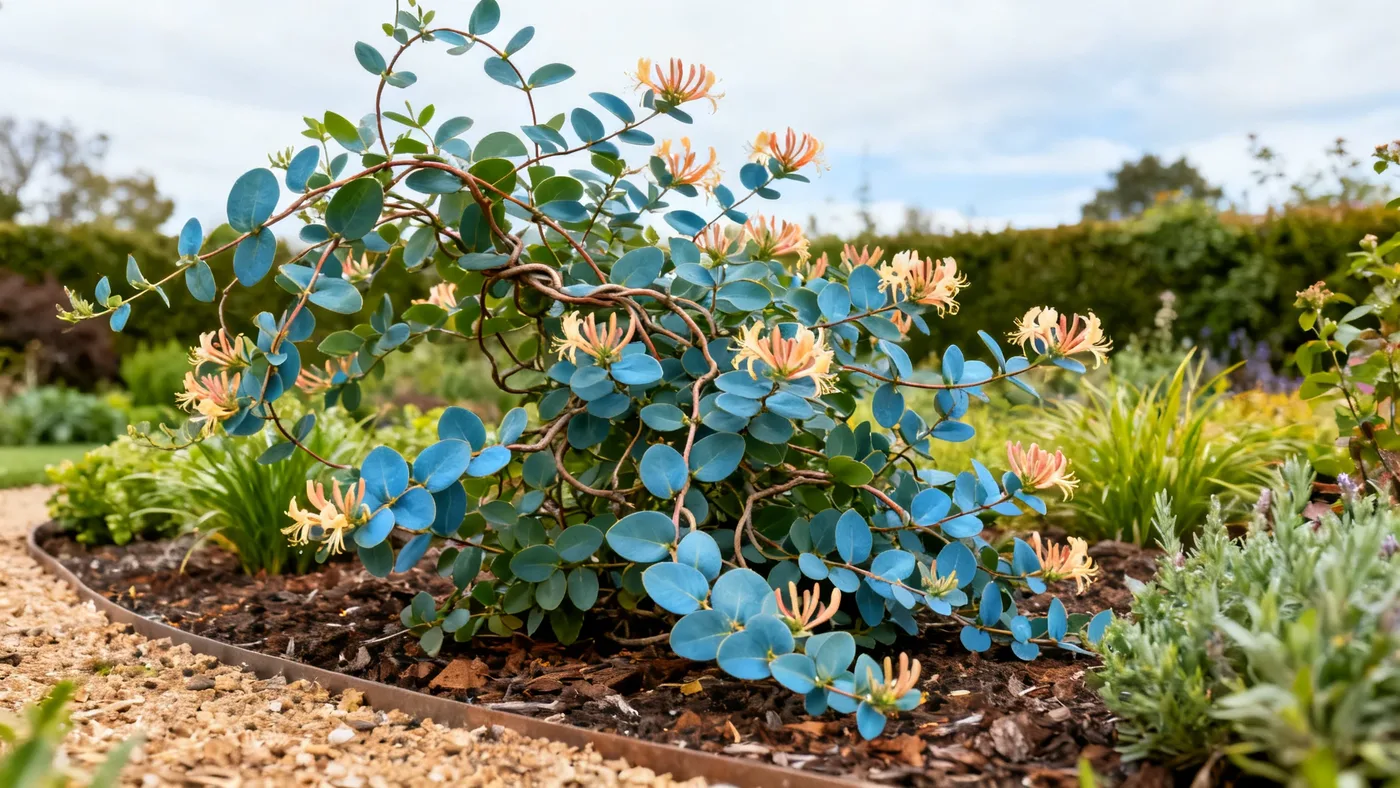
Scentsation Honeysuckle (Lonicera periclymenum 'Scentsation') is a fast-growing deciduous vine that reaches 6 to 10 feet tall when trained on a support, delivering creamy yellow flowers flushed with pink in late spring through summer, plus strongly fragrant blooms that intensify in the evening. Whether you want screening, visual interest, or pollinator activity in USDA zones 5 through 9, this vine adapts to most landscape situations when given full sun to part shade and consistent moisture during establishment. Here are eight practical landscape ideas to make the most of Scentsation Honeysuckle on your property.
1. Fence Screening for Privacy and Fragrance
A Scentsation Honeysuckle on fence plantings offers one of the fastest privacy solutions available. Space 3 to 6 feet apart along a fence line, and the vine grows roughly 1 to 2 feet of new twining growth per year once established, creating full coverage within 2 to 3 years. The oval, blue-green foliage remains dense even as new flowers and buds emerge, blocking sightlines while the sweetly fragrant blooms reward you and your neighbors with evening scent. In mild-winter zones, semi-evergreen foliage may persist into early winter, extending privacy even as temperatures drop.
Choose a fence taller than 6 feet if you want the vine to fully climb; shorter fences will encourage the vine to sprawl sideways, creating a wider screen. Ensure the fence structure can support the weight of an established vine: wooden or metal trellised panels work better than vinyl, which can warp under the vine's twining stems. Position plants where they'll receive at least 6 hours of direct sun; afternoon shade in hot climates is tolerable and may help prevent powdery mildew in humid regions.
Practical takeaway: Plant 3 to 6 feet apart along a sturdy fence in full sun. Expect full coverage within 2 to 3 years. Water consistently through the first growing season, then the vine becomes a moderate water user once established.
2. Arbor and Entryway Focal Points
An honeysuckle vine for arbor plantings creates an inviting, fragrant gateway to your garden. Train one or two plants up each side of a 6 to 8-foot-tall arbor, spacing them 3 to 6 feet apart at the base. The vine will reach the arbor's top within 2 to 3 years and can be gently woven across the top panels to frame overhead coverage. Visitors walking through will experience the full beauty of the bloom cycle from late spring through fall, with the strongest fragrance in the evening hours.
For a cohesive look, prune lightly after the first flush of bloom to tidy the vine and encourage reblooming into fall. Avoid heavy hard-pruning since older wood contributes to flowering. If your arbor is beside an entryway or patio where you spend time in late afternoon, position it to capture the evening fragrance when it's strongest. Pair the honeysuckle with seating underneath to create a natural gathering spot.
Practical takeaway: Plant one vine per arbor side, spacing 3 to 6 feet at the base. Choose an arbor at least 6 feet tall. Plan for light pruning after the first bloom flush to shape and encourage fall reblooming.
3. Trellis Training Against Walls and Structures
Scentsation honeysuckle vine trellis ideas work well on any south or west-facing wall where you want to soften hard surfaces while avoiding moisture problems. Install a sturdy wooden or metal trellis (at least 6 feet tall and 3 feet wide) 3 to 4 inches away from the wall to allow air circulation behind the vine. Position the base at least 2 feet away from the wall foundation so water drains correctly and roots can establish without competing with foundation concrete. Space plants 3 to 6 feet apart; a single vine usually covers a 3-foot-wide trellis adequately.
The vine's twining stems will naturally spiral around trellis supports, but you may gently guide new growth onto the frame in the first season. In cooler zones, the deciduous foliage drops in winter, exposing the trellis and wall behind; in mild zones (9), semi-evergreen foliage may persist. Full sun to part shade suits the vine, though full sun maximizes flowering and fragrance. Check for powdery mildew and leaf spot issues in humid climates by ensuring air can flow freely around the foliage.
Practical takeaway: Install a trellis 3 to 4 inches from the wall, at least 6 feet tall. Space plants 3 to 6 feet apart at the base. Direct new growth gently onto the frame in year one, then let the vine climb naturally.
4. Pergolas for Summer Shade and Aesthetic Appeal
A honeysuckle vine for arbor or pergola settings thrives on overhead structures that provide filtered afternoon shade while allowing morning sun. Unlike dense evergreen vines, Scentsation Honeysuckle's moderate coverage creates dappled light perfect for sitting underneath during hot afternoons without complete darkness. Plant one or two vines at each support post (spacing 3 to 6 feet apart), and guide the stems horizontally across the top of the pergola as they grow. The vine reaches 6 to 10 feet vertically and spreads 3 to 6 feet, so a pergola 8 to 12 feet long and 6 to 8 feet deep can support 2 to 4 plants comfortably.
Pergola plantings also reduce heat reflection onto your home and create a visual focal point in the landscape. The deciduous nature of the vine means winter sun can reach your seating area after the foliage drops, a benefit in cooler climates. In late spring through fall, the combination of fragrant blooms, blue-green foliage, and pollinator activity transforms the space into a garden room. Hummingbirds, bees, and butterflies visit regularly, adding movement and wildlife interest.
Practical takeaway: Use 2 to 4 plants for a medium pergola, spaced 3 to 6 feet apart at the base. Guide stems horizontally across the top as they grow. Expect full coverage in 2 to 3 years. Prune after the first bloom flush to maintain shape.
5. Mixed Climbing Combinations with Companion Plants
Scentsation Honeysuckle combines beautifully with companion plants for honeysuckle, especially clematis varieties and climbing roses that share similar growing requirements. Plant the honeysuckle as the backbone and add clematis vines that bloom at different times (early spring or late summer varieties pair well with mid-season honeysuckle flowers). Space all vines 3 to 6 feet apart to avoid crowding; they'll weave together naturally without aggressive pruning. The blue-green honeysuckle foliage provides a neutral backdrop for clematis blooms in jewel tones or pastels, creating a longer season of color.
At the base of climbing combinations, plant sun-loving perennials such as daylilies, Russian sage, or ornamental grasses to shade the roots and add texture. The honeysuckle grows roughly 1 to 2 feet per year once established, so choose companion plants that won't be smothered. Avoid dense evergreens directly behind the climbers, as they reduce air circulation and increase powdery mildew risk. On a mixed trellis or fence line, this approach creates a living tapestry with multiple bloom times and pollinator appeal.
Practical takeaway: Pair Scentsation Honeysuckle with clematis (bloom times offset) on the same support. Space 3 to 6 feet apart. Plant perennials at the base to shade roots. Prune each vine individually after its bloom flush.
6. Large Containers for Patios and Entryways
Scentsation Honeysuckle grows well in large containers when given sturdy support and consistent moisture. Use a #3 container or larger (5-gallon minimum) filled with average, well-drained potting soil. Provide a bamboo teepee, tomato cage, or small trellis inside the pot, as the vine needs something to twine around. Position the container in full sun for best flowering and fragrance; part shade is acceptable in hot climates. Container plants grow slightly slower than in-ground vines but still produce blooms the first season from a nursery-grown plant and reach fuller size in 2 to 3 years.
Water containers more frequently than in-ground plantings during the growing season, checking soil moisture regularly. The soil in pots dries faster than garden soil, especially in sun. Feed lightly with a balanced, slow-release fertilizer in early spring. In fall and early winter, the foliage may yellow and drop as day length shortens; this is normal deciduous behavior and the vine will regrow in spring. In zones 5 to 7, move the container to a sheltered location for winter or insulate the pot itself to protect roots from freezing.
Practical takeaway: Use a #3 container or larger with well-drained soil and a sturdy climbing support inside. Water regularly during the growing season. Place in full sun for best fragrance. Move to shelter in winter in cold zones.
7. Pollinator-Focused Garden Features
Scentsation Honeysuckle landscape ideas that center on pollinators capitalize on the vine's strong attraction to hummingbirds, bees, butterflies, and night-flying moths. The flowers provide nectar from late spring through fall (with reblooming into cold months in mild climates), creating a reliable food source when other plants are scarce. Position the vine where you can observe pollinators from a favorite seating area, or place it near a window to enjoy hummingbird activity up close. The berries that follow the flowers also attract birds, adding another wildlife dimension to the planting.
Maximize pollinator appeal by combining Scentsation Honeysuckle with other bee and butterfly plants at ground level. Choose native wildflowers, zinnias, or salvia varieties that bloom alongside or after the honeysuckle. Avoid heavy pesticide use; minor pest infestations like aphids or scale insects can usually be managed with water spray or horticultural oils, preserving the beneficial insects that frequent the vine. The nighttime fragrance also appeals to hawk moths and other nocturnal pollinators, making this vine valuable for extended pollinator support.
Practical takeaway: Position the vine where you can observe pollinator activity. Combine with ground-level bee and butterfly plants. Avoid broad-spectrum pesticides. Expect strong hummingbird activity and significant late-season berry production.
8. Mailbox and Entryway Border Plantings
A single Scentsation Honeysuckle vine trained on a sturdy mailbox post creates curb appeal while delivering fragrance every time you retrieve mail. Install a simple bamboo or metal trellis around the post (typically 4 to 5 feet tall), leaving the mailbox door itself clear. Plant the honeysuckle 2 to 3 feet away from the post base to avoid excessive heat reflection onto the roots. Within 2 to 3 years, the vine will frame the entire post and mailbox with foliage and blooms. The vine is generally deer-resistant, so it remains attractive even in areas with moderate deer pressure.
This planting works especially well along property entryways or at the edge of a driveway where visitors first encounter your garden. The fragrance is most noticeable in the evening, so if you collect mail in late afternoon, you'll enjoy the scent. Prune lightly after the first bloom flush to keep the post clear and encourage reblooming. In fall and winter, when foliage drops, the bare vine and support structure add architectural interest rather than visual clutter.
Practical takeaway: Install a 4 to 5-foot trellis around a mailbox post. Plant 2 to 3 feet away to avoid heat stress. Expect full coverage within 2 to 3 years. Prune after the first bloom flush to maintain shape and access.
Quick Reference: Scentsation Honeysuckle Landscape Planting Guide
| Landscape Use | Spacing | Height/Coverage | Years to Full Size | Sun Requirement |
|---|---|---|---|---|
| Fence screening | 3-6 ft apart | 6-10 ft vertical | 2-3 years | Full sun to part shade |
| Arbor entryway | 3-6 ft per side | 6-10 ft | 2-3 years | Full sun preferred |
| Wall trellis | 3-6 ft apart | 6-10 ft | 2-3 years | Full sun to part shade |
| Pergola cover | 3-6 ft per post | Spreads 3-6 ft horizontally | 2-3 years | Full sun to part shade |
| Mixed planting | 3-6 ft from companions | 6-10 ft | 2-3 years | Full sun preferred |
| Container on support | N/A (single plant) | #3 container minimum, 6-10 ft on trellis | 2-3 years | Full sun preferred |
| Pollinator garden feature | 3-6 ft from base plants | 6-10 ft | 2-3 years | Full sun for best fragrance |
| Mailbox post | 2-3 ft from post base | 4-5 ft post frame, vine reaches 6-10 ft | 2-3 years | Full sun to part shade |
For detailed care information on watering, pruning, and seasonal maintenance for any of these landscape ideas, consult our Scentsation Honeysuckle care guide.