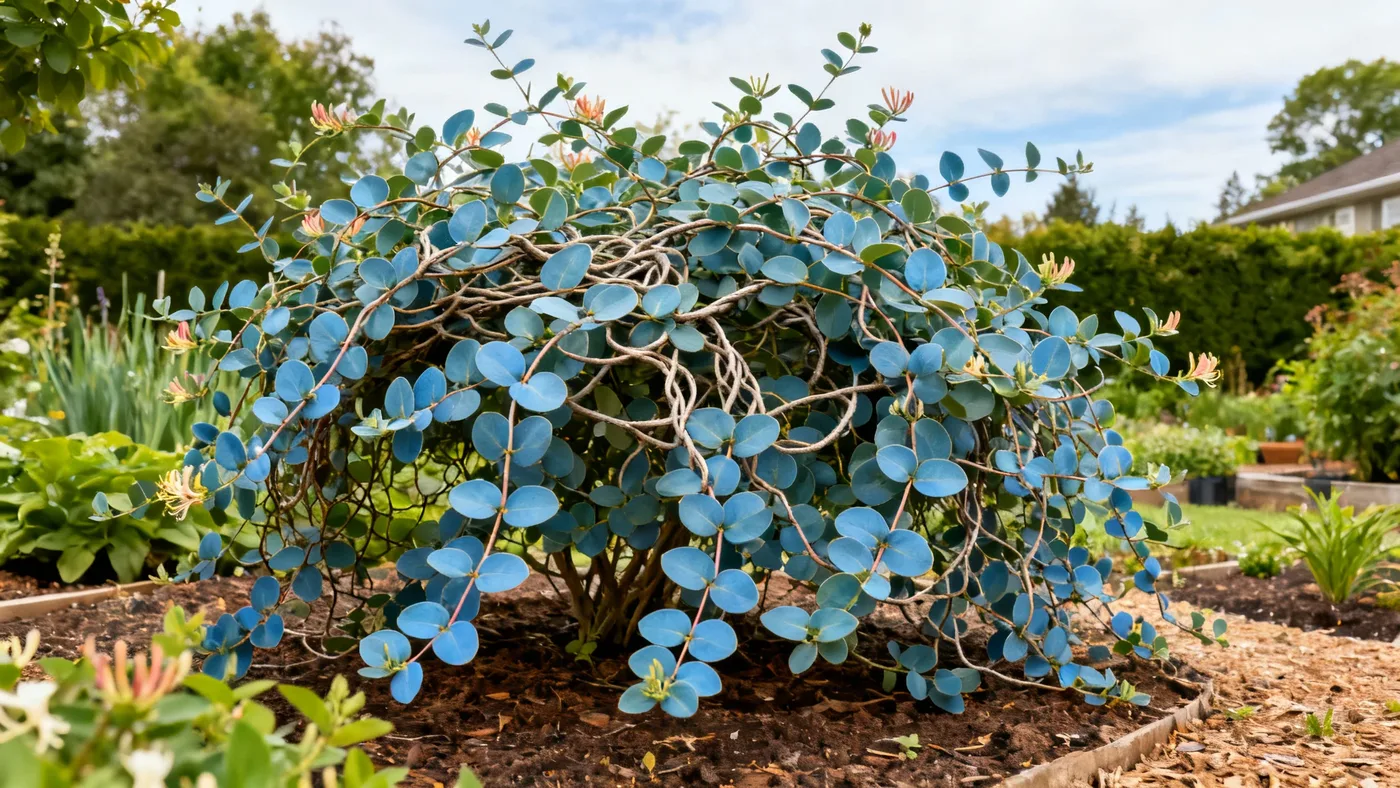
Scentsation Honeysuckle Fragrance: Why It Smells So Good
The Case for Scentsation: A Honeysuckle Bred for Fragrance
If you've ever caught a whiff of honeysuckle on a summer evening, you know why gardeners plant these vines year after year. But not all honeysuckle smells equally good. Scentsation Honeysuckle (Lonicera periclymenum 'Scentsation') was deliberately cultivated to deliver one thing: intoxicating fragrance.
Unlike the seriously invasive Japanese honeysuckle (Lonicera japonica) that plagues many regions, Scentsation is a non-invasive cultivar of European honeysuckle, bred and marketed by Proven Winners as a well-behaved alternative. That careful breeding shows unmistakably in the flowers. The scentsation honeysuckle fragrance is strongly and sweetly scented, most noticeable in evening hours. This makes Scentsation among the most fragrant honeysuckle vine options available to home gardeners and landscapers seeking genuine scent without invasive behavior.
Late spring through summer is peak bloom time, with reblooming extending into fall in many zones. During those months, a single mature climbing vine can fill an entire garden with fragrance. This timing makes late May through August the ideal season to appreciate why this plant deserves a prominent spot near windows, patios, or pathways. For anyone planning a fragrant garden, late September through October is the perfect time to source and prepare planting sites.
When Scentsation Honeysuckle Scent Is Strongest
Timing matters enormously with this fragrant flowering vine. The strongest scent arrives in the evening, particularly during dusk and into the night. This is not accidental. Scentsation flowers attract night-flying moths and other nocturnal pollinators that navigate by scent. The plant has evolved to amp up its fragrance when those visitors are most active. Position a garden chair near the vine at 7 or 8 PM, and you will experience fragrance far more intense than a midday visit.
The sun exposure where you plant Scentsation dramatically affects fragrance production. Full sun positioning yields the best flowering and fragrance. The plant tolerates afternoon shade in hot climates, but expect somewhat fewer blooms and a quieter scent profile. This represents the primary trade-off: more light means more flowers and more intense, noticeable fragrance throughout the evening hours.
Bloom progression also influences scent intensity. Buds arrive creamy yellow flushed with pink or purple. As flowers open and age to gold, the fragrance develops and peaks. A fully open, aged flower releases significantly more scent than a fresh bud. This means a mature planting with flowers at various stages of opening will smell richer and more complex than one with only new blooms. A vine in its second or third year, with established flowering patterns, will surpass a younger plant in fragrance output.
How to Maximize Scentsation Honeysuckle Fragrance
Since scent is the main reason most gardeners choose Scentsation, here are concrete steps to get the most from your vine.
Plant in full sun. Your vine will be most fragrant and most floriferous with at least 6 hours of direct sunlight daily. Scentsation grows in zones 5 to 9. Afternoon shade in hotter zones (8 to 9) is acceptable and can even help in intense heat, but it reduces bloom count and fragrance intensity. Prioritize sun when positioning your support structure.
Position near outdoor living spaces. Plant Scentsation on a trellis, arbor, fence, or pergola within 10 feet of a patio, seating area, or bedroom window where you'll be present during evening hours. Fragrance carries best in still air, so a sheltered location (not exposed to strong winds) will seem more intensely scented. A vine near an entryway or mailbox also greets visitors with fragrance as they approach.
Plan for mature size. A mature climbing vine reaches 6 to 10 feet tall with a spread of 3 to 6 feet, depending on how you train and prune it. This substantial size allows fragrance to diffuse throughout a seating area rather than concentrating on a single twig. Let the vine grow full and established for maximum fragrance production and visual impact.
Provide sturdy support. Scentsation is a twining vine that requires a strong trellis, arbor, fence, or other climbing structure. Without proper support, it becomes a tangled sprawling mass with flowers buried in dense foliage, making the scent harder to access. A well-managed structure keeps flowers at nose level and scent available during your evening time outside.
Prune for repeat bloom. After the first flush of bloom in late spring, a light pruning encourages reblooming into fall. This is not heavy hard-pruning. Remove spent flower clusters and lightly shape the vine to tidy it and redirect energy toward new flowering. Avoid cutting into older wood, since older stems contribute significantly to flowering. This light, targeted approach extends your fragrance season by weeks.
Water consistently while establishing. During the first year, regular watering helps the vine establish deeper roots and grow more vigorously. Scentsation grows roughly 1 to 2 feet of new twining growth per year once established. More vigorous plants produce more flowers and, in turn, more fragrance. Once established, it has moderate drought tolerance, but consistent moisture keeps blooming robust and scent abundant.
Seasonal Scentsation Honeysuckle Scent Patterns
Scentsation blooms late spring through summer with reblooming extending into fall. Bloom time varies by zone. In zone 5 climates, expect first flowers in early to mid-June. In zones 8 to 9, blooms arrive in late May. This extended window means fragrance is available across a long season rather than a brief spring window.
Plant Scentsation in spring or fall. A spring planting has the full growing season ahead to establish roots before winter dormancy, with potential for a few flowers in year one. A fall planting (at least 6 weeks before hard frost in your zone) allows root establishment during mild fall weather. Either timing works across zones 5 to 9. The species reaches fuller mature size and fragrance output in years 2 to 3.
Late September through early October is an ideal time to plan and prepare your fragrance garden. Research your zone, choose a support structure, and identify the sunniest spot near your patio or bedroom. This allows you to source a container-grown plant (commonly sold in #1 or #3 containers) and plant it before the first hard freeze, giving it a head start for spring growth.
Scentsation Among Fragrant Flowering Vines
Several climbing vines offer fragrance, but few deliver with Scentsation's consistency and intensity. Clematis offers delicate scent on select varieties but often requires significant pruning expertise. Climbing roses provide fragrance but demand more maintenance and disease monitoring. Night-blooming jasmine smells extraordinary but is tender in zones 5 to 7, restricting its geographical range severely.
Scentsation fills a specific niche: a hardy, strongly fragrant, non-invasive vine suited to zones 5 to 9 that requires minimal maintenance and thrives on common garden supports. The fragrance profile (sweet and strong, most noticeable in evening) appeals to gardeners seeking an old-fashioned honeysuckle experience without invasive problems. If "how fragrant is Scentsation honeysuckle" compared to other options is your question, the answer is straightforward: it is the most fragrant honeysuckle cultivar in wide circulation, bred specifically for this trait.
For more detailed growing guidance, including planting depth, pest management, and seasonal pruning schedules, refer to the Scentsation Honeysuckle Care Guide.
Quick Reference: Fragrance Maximization Checklist
| Factor | Best Practice for Maximum Fragrance |
|---|---|
| Sun exposure | Full sun (6+ hours daily); essential for strong flowering and fragrance |
| Planting time | Spring or fall; spring allows first-season flower preview |
| USDA zones | 5 to 9; confirm cold hardiness for your region |
| Mature size | 6 to 10 ft tall, 3 to 6 ft spread; size allows scent to diffuse |
| Bloom season | Late spring through fall; peak fragrance in evening hours |
| Pruning for reblooming | Light prune after first flush; avoid hard cutting into old wood |
| Support structure | Sturdy trellis, arbor, or fence; keeps flowers accessible and visible |
| Watering (year 1) | Regular, consistent moisture to establish deep roots |
| Positioning | Within 10 ft of seating or windows; close enough to enjoy evening scent |
| Growth rate | Roughly 1 to 2 ft per year once established; full maturity in 2 to 3 years |
| Container size when purchasing | #1 or #3 container; commonly available from nurseries |